A good example of the type of 'paget'-bladed cavalry sword being used by most Indian Army cavalry between c.1875 and 1918. Consisting of a 1821-style, steel three bar guard a wide 32 inch blade and wire wrapped shagreen handle. The forte has numerous inspectors markings for Wilkinson and London Enfield and several Acceptance or reissue markings suggesting a very active service history
The blade has some areas of pitting and discolouration and could benefit from a gentle restoration, but is otherwise solid with no movement in the guard. The shagreen has lifted from the bottom of the handle. The blade shows evidence that it has been well service sharpened during its life
Introduced in around the 1870s, marrying a 1796 sabre type blade, called the 'Paget blade', to an 1821 pattern 3-bar hilt. Most were manufactured in Britain and exported to India. They were still being used in WW1 and were not replaced with the British 1908 pattern thrusting sword for all Indian cavalry until after the Great War.
A good example of the type of 'paget'-bladed cavalry sword being used by most Indian Army cavalry between c.1875 and 1918. Consisting of a 1821-style, steel three bar guard a wide 32 inch blade and wire wrapped shagreen handle. The forte has numerous inspectors markings for Wilkinson and London Enfield and several Acceptance or reissue markings suggesting a very active service history
The blade has some areas of pitting and discolouration and could benefit from a gentle restoration, but is otherwise solid with no movement in the guard. The shagreen has lifted from the bottom of the handle. The blade shows evidence that it has been well service sharpened during its life
Introduced in around the 1870s, marrying a 1796 sabre type blade, called the 'Paget blade', to an 1821 pattern 3-bar hilt. Most were manufactured in Britain and exported to India. They were still being used in WW1 and were not replaced with the British 1908 pattern thrusting sword for all Indian cavalry until after the Great War.

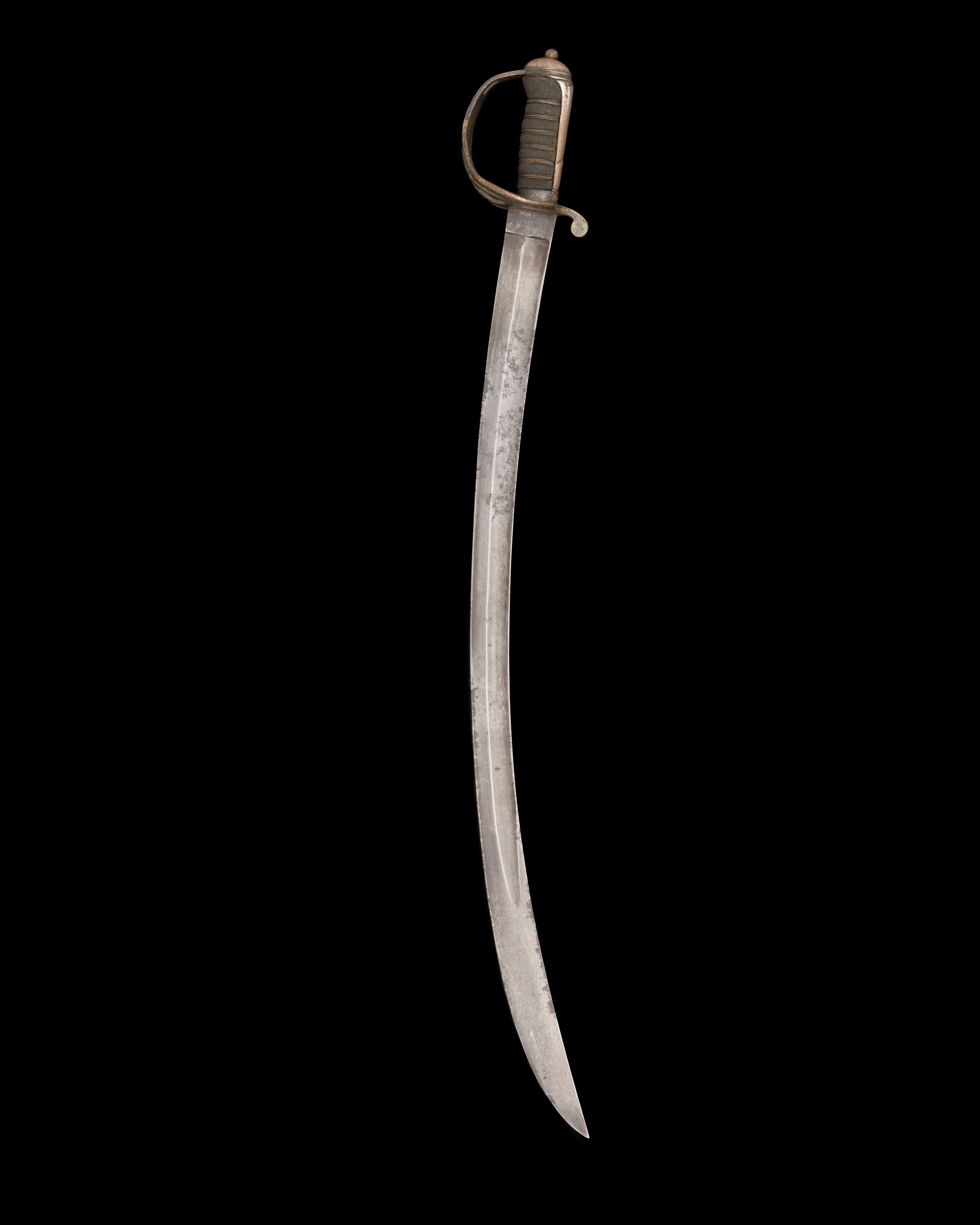 Image 1 of 6
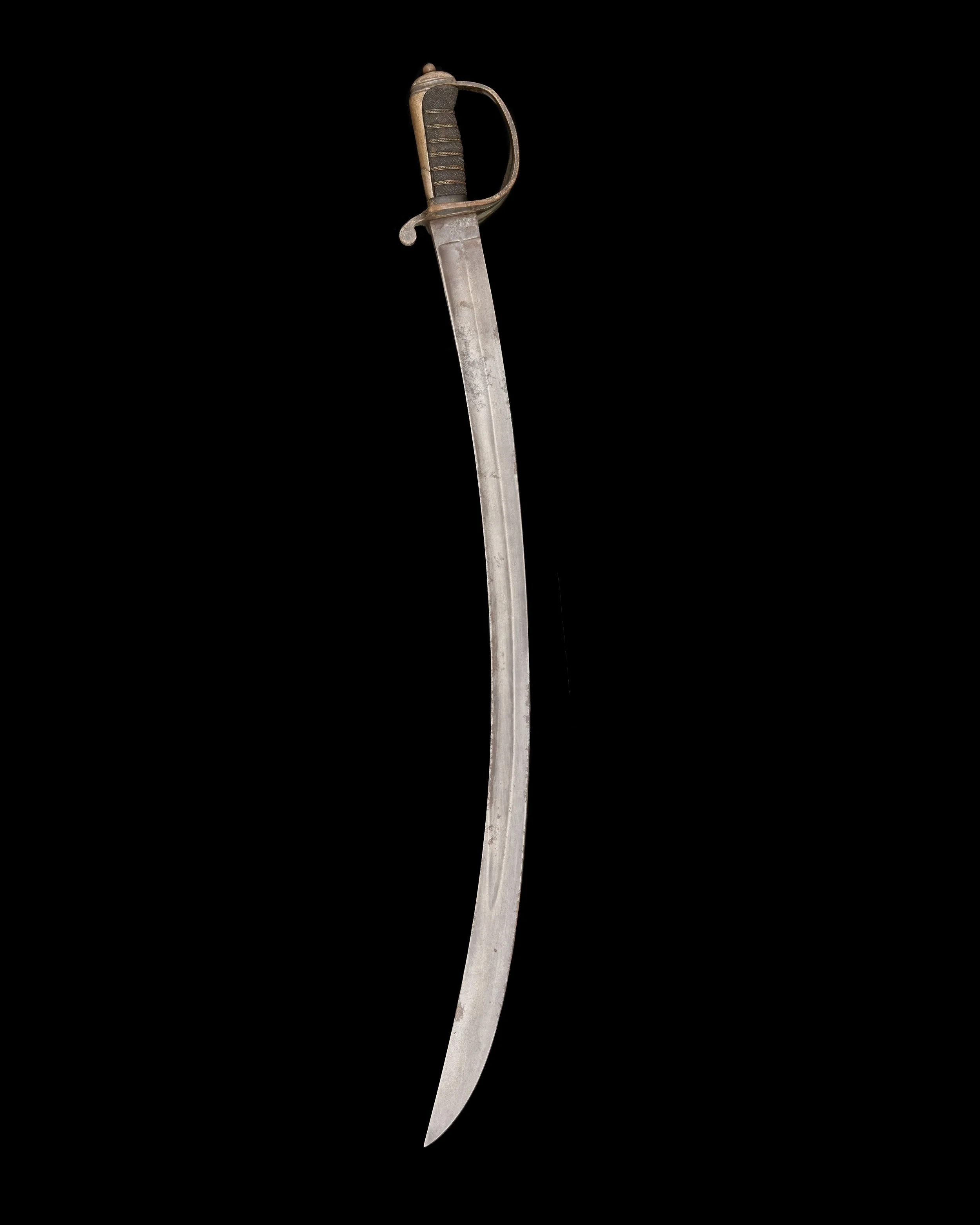 Image 2 of 6
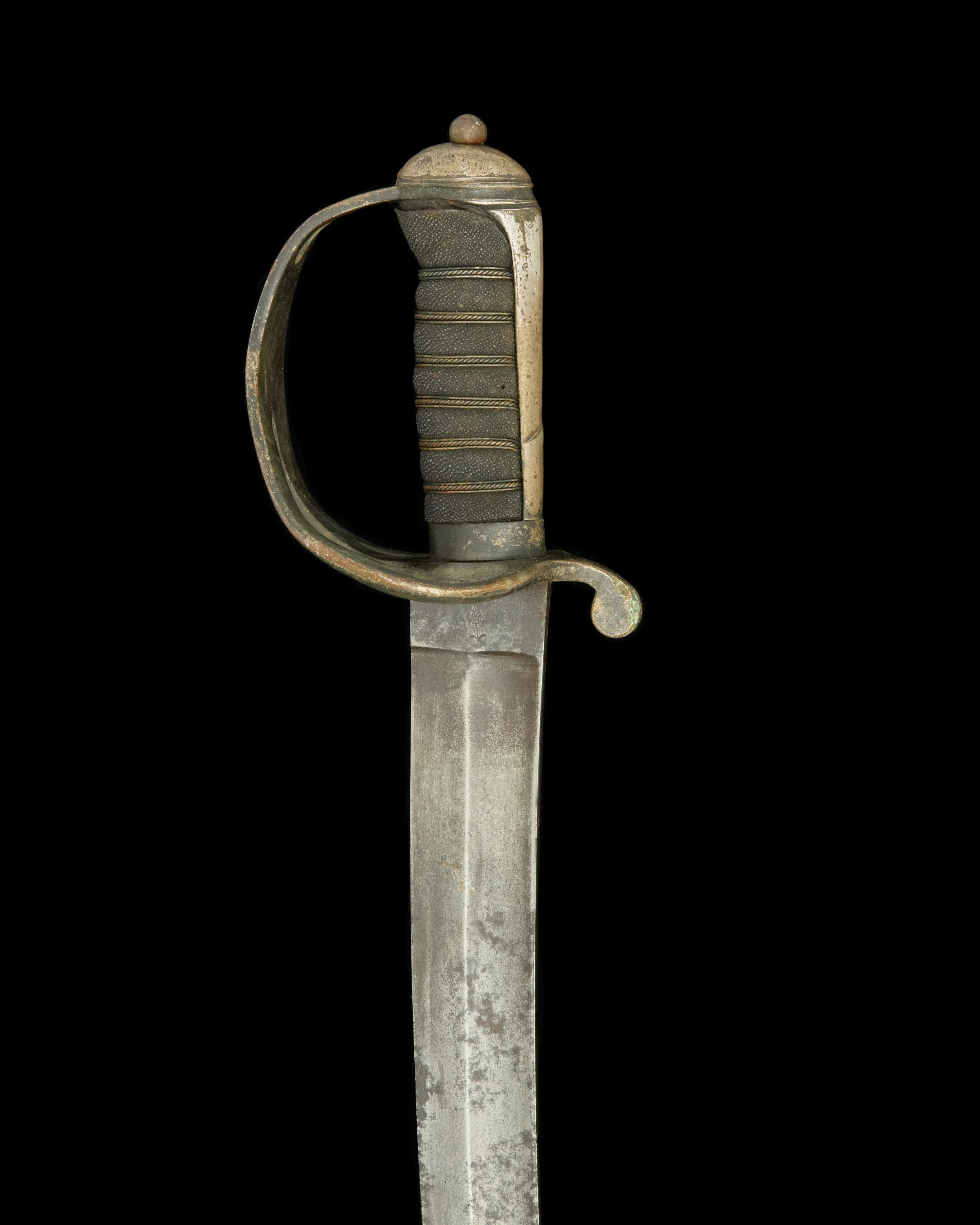 Image 3 of 6
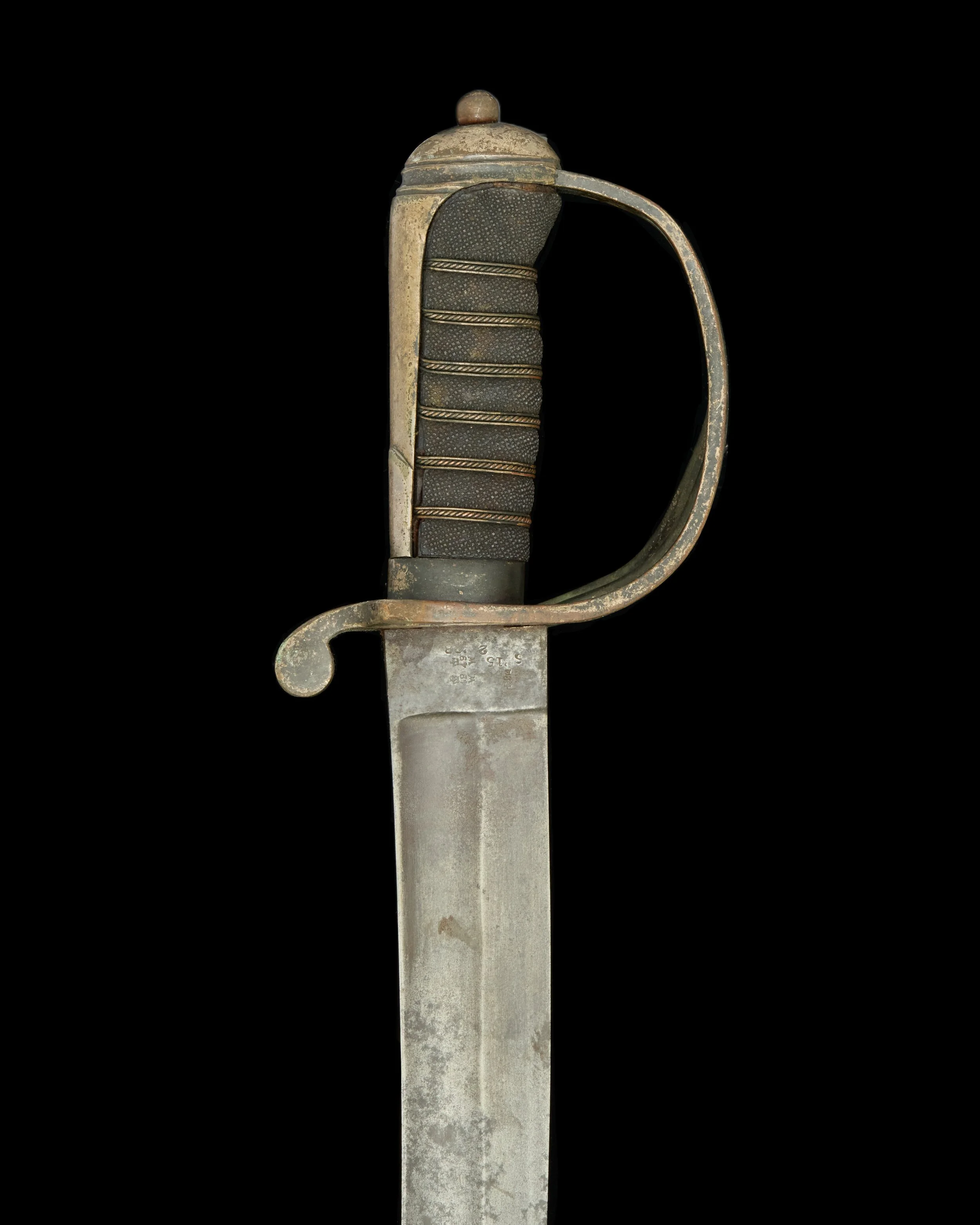 Image 4 of 6
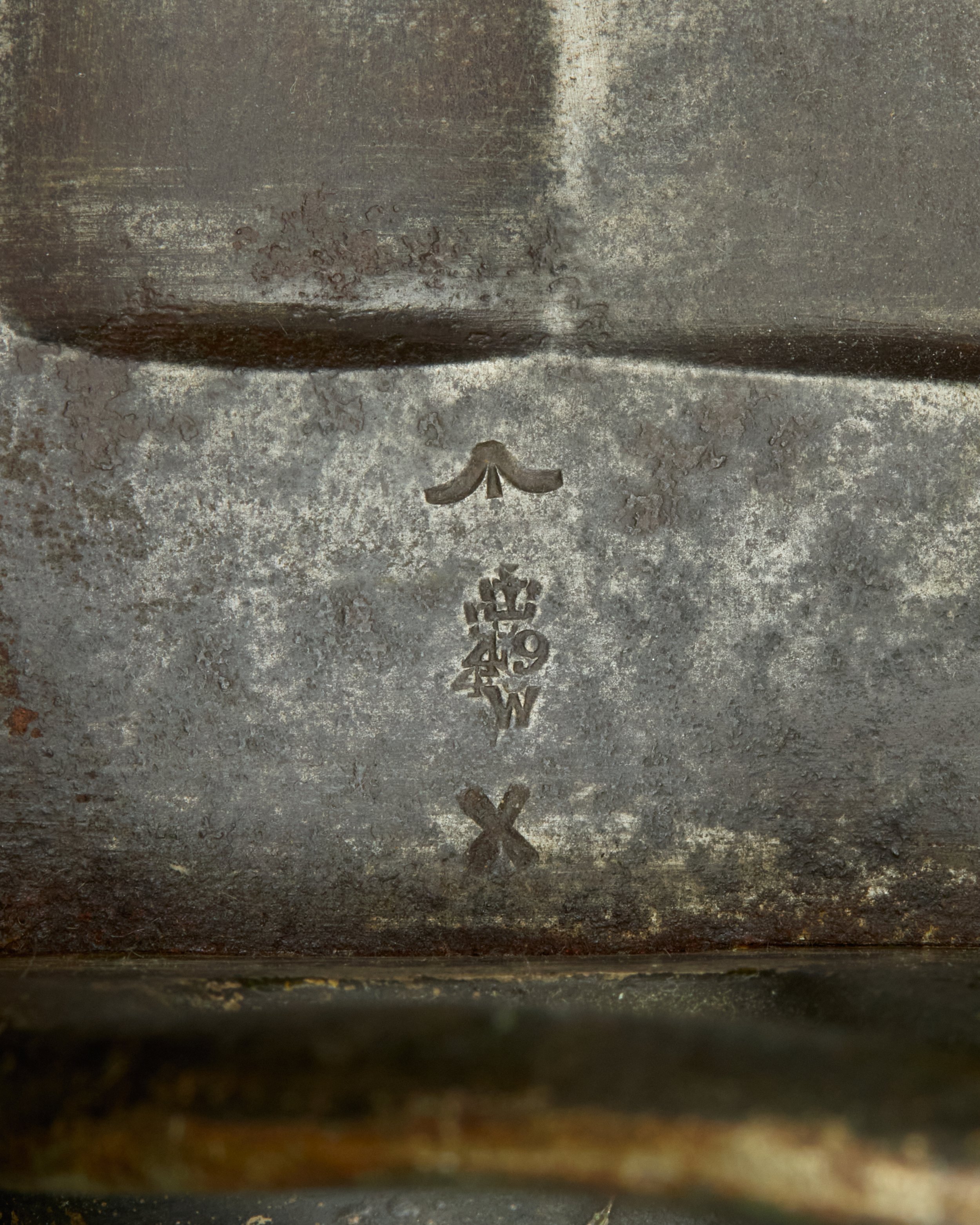 Image 5 of 6
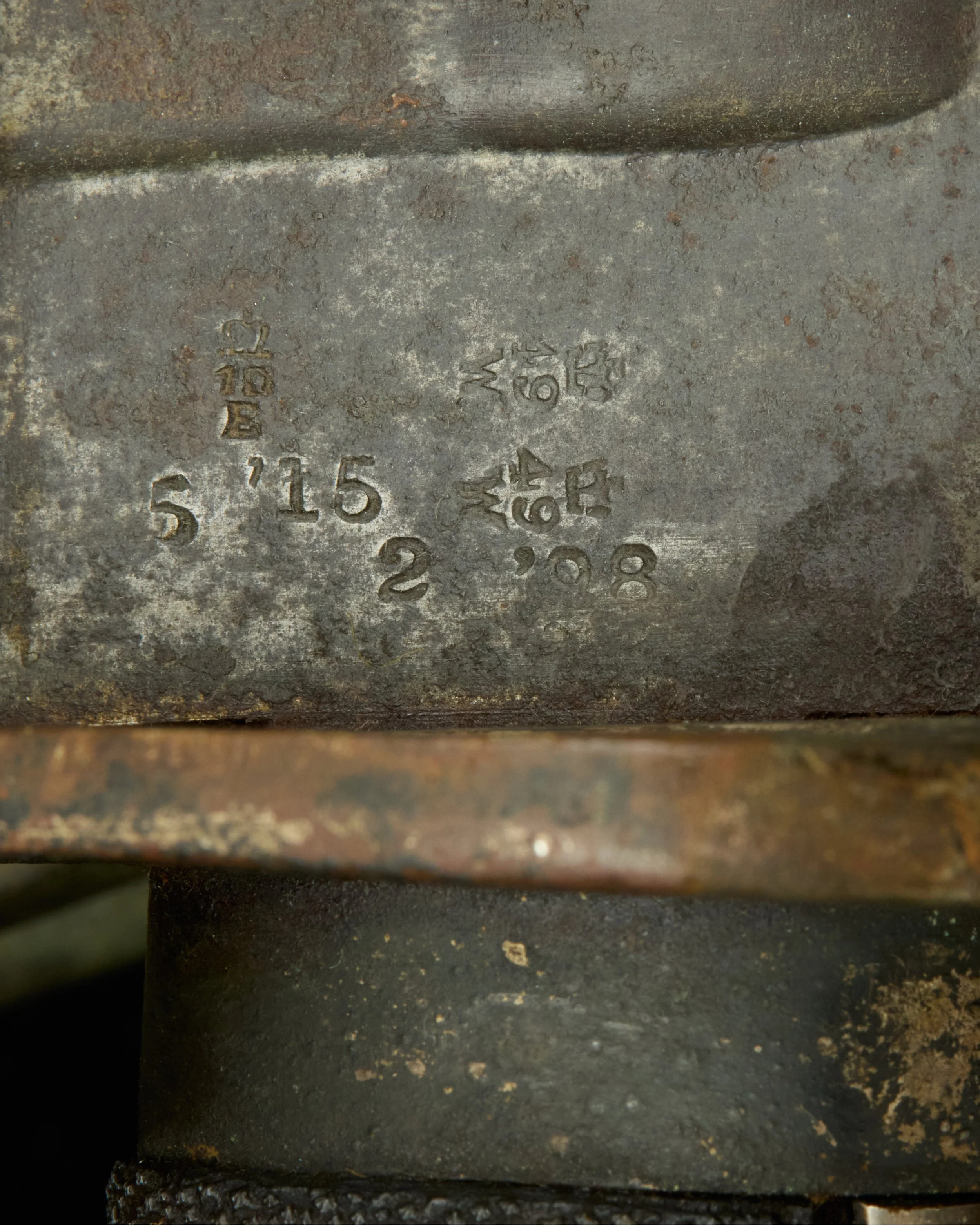 Image 6 of 6