William Hope The Compleat Fencing-Master: in which is fully Described the whole Guards, Parades and Lessons, belonging to the Small-Sword; as, also the best Rules for Playing against either Artists or others, with Blunts or Shapes. Together with Directions how to Behave in a Single Combat on Horse-back: Illustrated with Figures Engraven on Copper-plates, representing the most necessary Postures.
2nd edition, London: printed for Dorman Newman at the King's-Arms in the Poultrey, 1692. With 12 folding engraved plates (several with closed tears to folds and strengthened to verso of folds and margins), p. 167 misnumbered 197, slight toning, occasional spotting, some damp-stains (few areas of darker damp-staining to two plates and lower outer corners of few leaves), marbled endpapers, bookplate of José Ramón Garcia Donnell of Buenos Aires, all edges gilt, late 19th/early 20th-century red morocco, gilt decoration incorporating fencing motifs, 8vo
The second edition of Hope's work, first published in 1687 as The Scots Fencing Master, or, Compleat Small-Sword-Man, which contained defensive and offensive lessons and general rules for the use of blunts and sharps. He covered a wide range of topics connected to smallsword, backsword fencing and duelling. He employed early scientific methods when developing his school of swordplay, reflected on the social implications of fencing, introduced the notion of “sport for better health” into early modern fencing, and sought to institutionalise fencing in order to curb violence. Widely influenced by the growing Enlightenment movement in Scotland
Provenance:
José Ramón Garcia Donnell of Buenos Aires;
Leon Paul (1881–1963), thence by descent.
José Ramón García Donnell was a high-ranking military officer originally from Cuba, decorated in 1885 as a Knight of the Spanish Order of Charles III. He lived in Buenos Aires, amassing between c. 1886 and 1919 a collection of antique and modern books relating to fencing and duelling, plus other books on Cuban history and American and Spanish works in general. In 1926, 2,000 books comprising García Donnell's collection on fencing and duelling were auctioned at Hôtel Drouot, Paris. The sale took place from Monday, June 14th, to Friday, June 18th, of that year.
Leon Paul was a French-born fencing master and entrepreneur who founded the renowned Leon Paul fencing equipment company in London in 1921.
William Hope The Compleat Fencing-Master: in which is fully Described the whole Guards, Parades and Lessons, belonging to the Small-Sword; as, also the best Rules for Playing against either Artists or others, with Blunts or Shapes. Together with Directions how to Behave in a Single Combat on Horse-back: Illustrated with Figures Engraven on Copper-plates, representing the most necessary Postures.
2nd edition, London: printed for Dorman Newman at the King's-Arms in the Poultrey, 1692. With 12 folding engraved plates (several with closed tears to folds and strengthened to verso of folds and margins), p. 167 misnumbered 197, slight toning, occasional spotting, some damp-stains (few areas of darker damp-staining to two plates and lower outer corners of few leaves), marbled endpapers, bookplate of José Ramón Garcia Donnell of Buenos Aires, all edges gilt, late 19th/early 20th-century red morocco, gilt decoration incorporating fencing motifs, 8vo
The second edition of Hope's work, first published in 1687 as The Scots Fencing Master, or, Compleat Small-Sword-Man, which contained defensive and offensive lessons and general rules for the use of blunts and sharps. He covered a wide range of topics connected to smallsword, backsword fencing and duelling. He employed early scientific methods when developing his school of swordplay, reflected on the social implications of fencing, introduced the notion of “sport for better health” into early modern fencing, and sought to institutionalise fencing in order to curb violence. Widely influenced by the growing Enlightenment movement in Scotland
Provenance:
José Ramón Garcia Donnell of Buenos Aires;
Leon Paul (1881–1963), thence by descent.
José Ramón García Donnell was a high-ranking military officer originally from Cuba, decorated in 1885 as a Knight of the Spanish Order of Charles III. He lived in Buenos Aires, amassing between c. 1886 and 1919 a collection of antique and modern books relating to fencing and duelling, plus other books on Cuban history and American and Spanish works in general. In 1926, 2,000 books comprising García Donnell's collection on fencing and duelling were auctioned at Hôtel Drouot, Paris. The sale took place from Monday, June 14th, to Friday, June 18th, of that year.
Leon Paul was a French-born fencing master and entrepreneur who founded the renowned Leon Paul fencing equipment company in London in 1921.

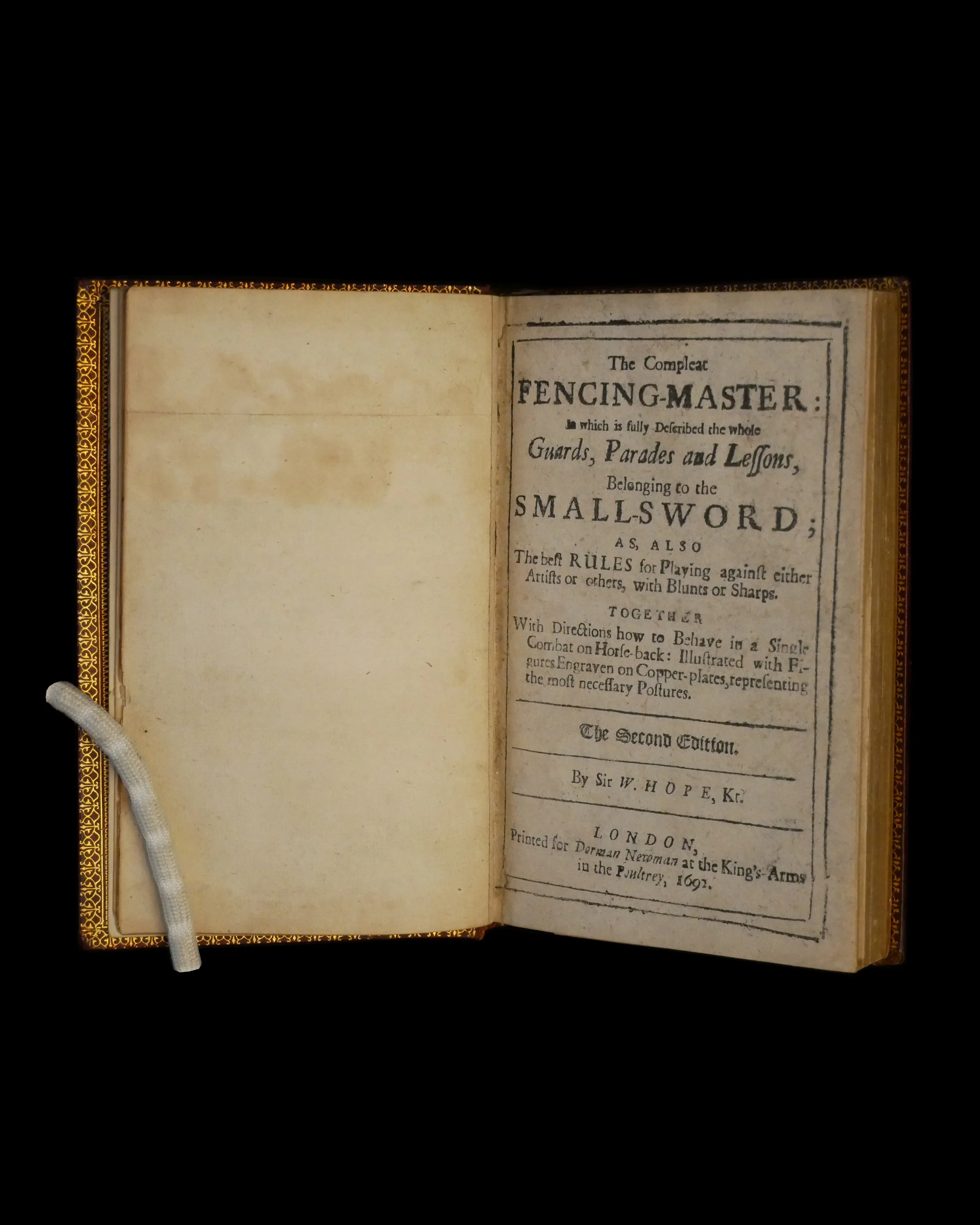 Image 1 of 6
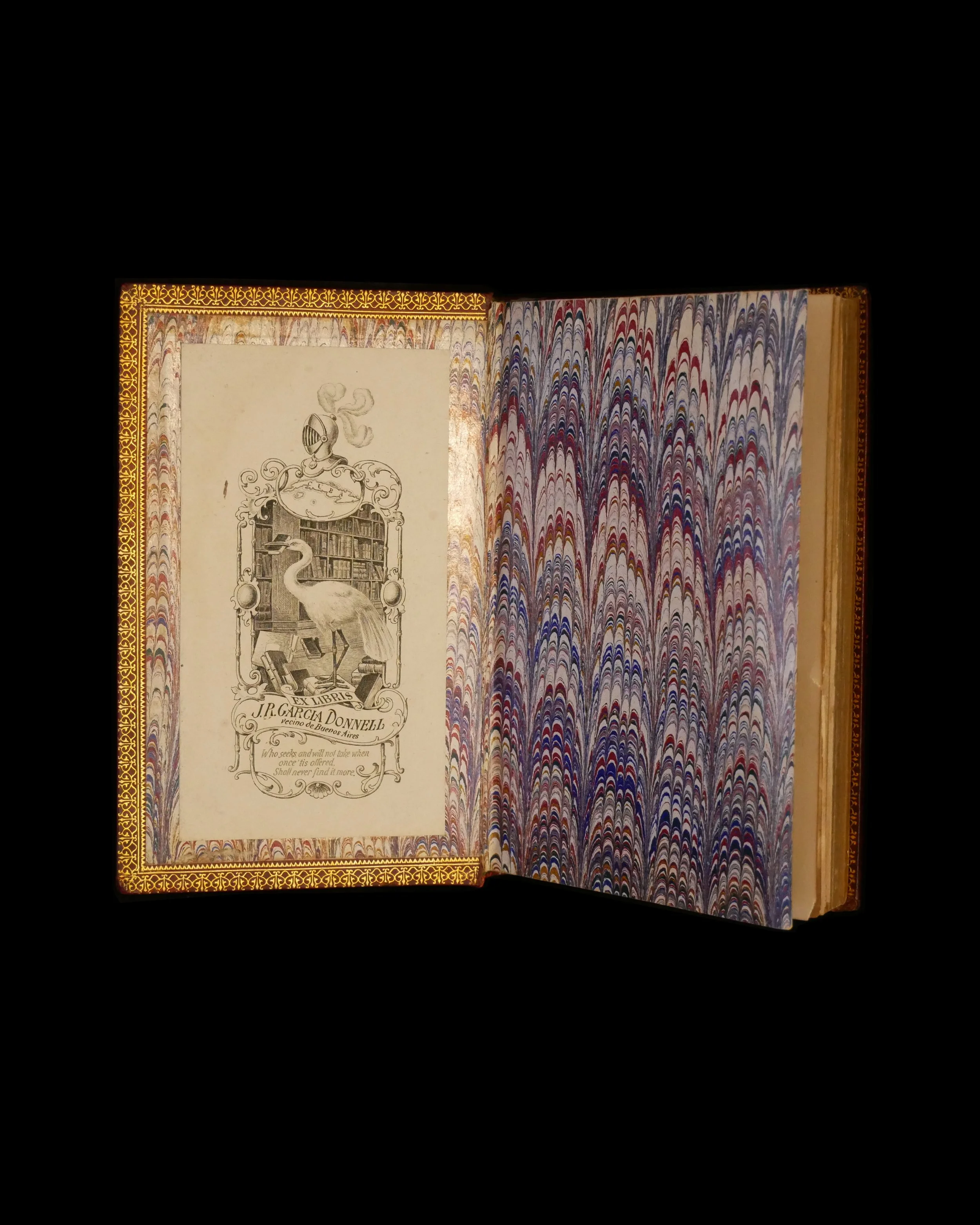 Image 2 of 6
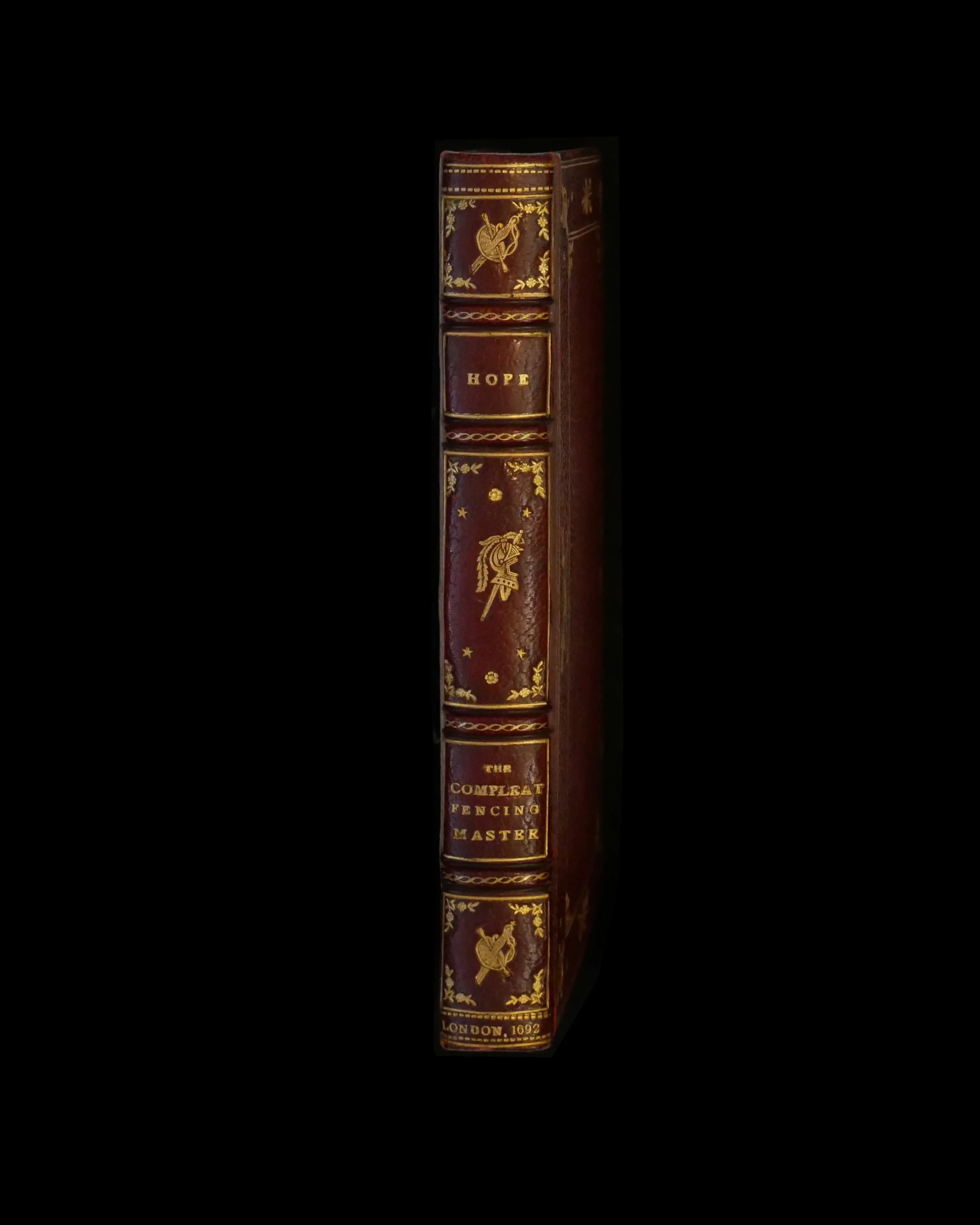 Image 3 of 6
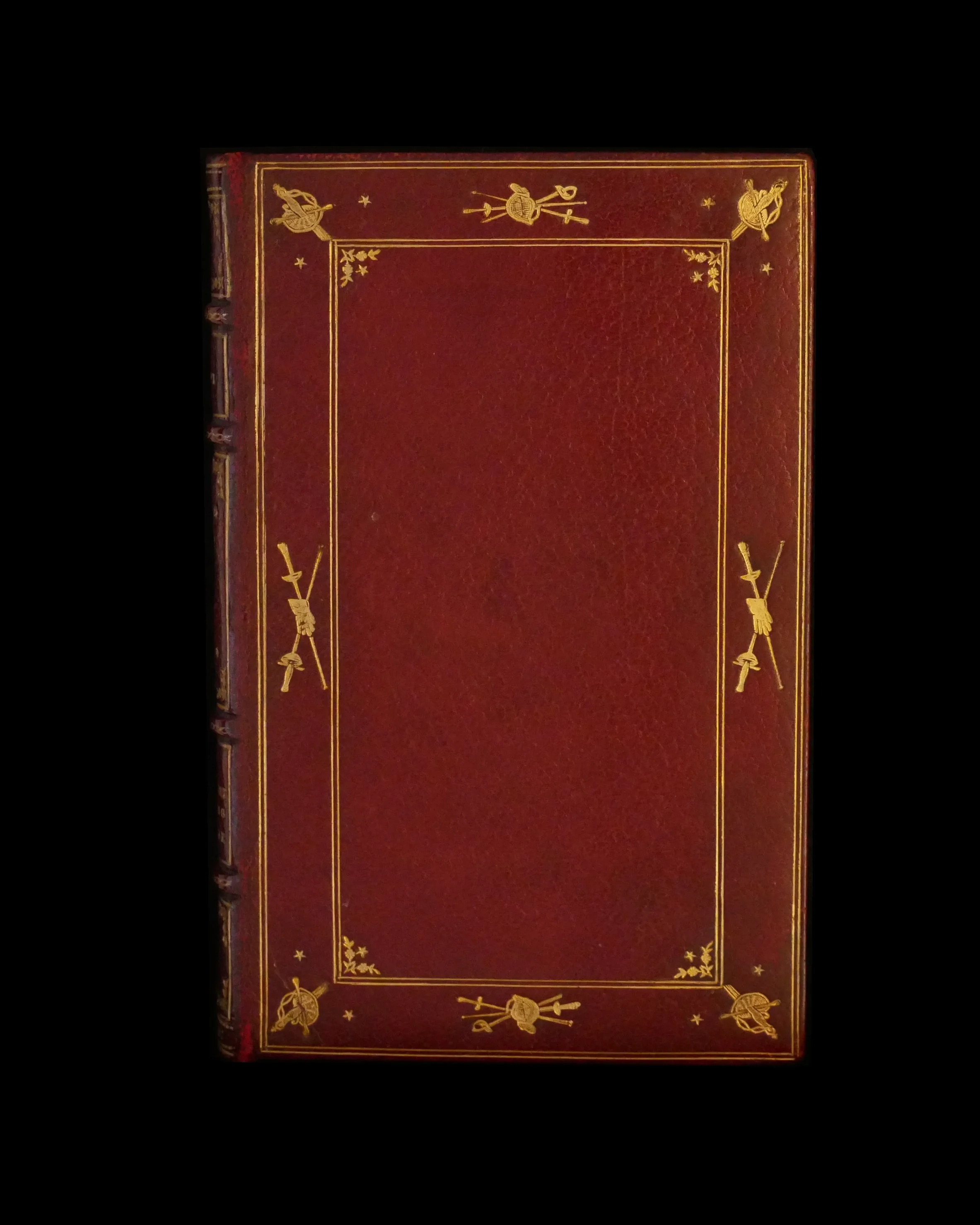 Image 4 of 6
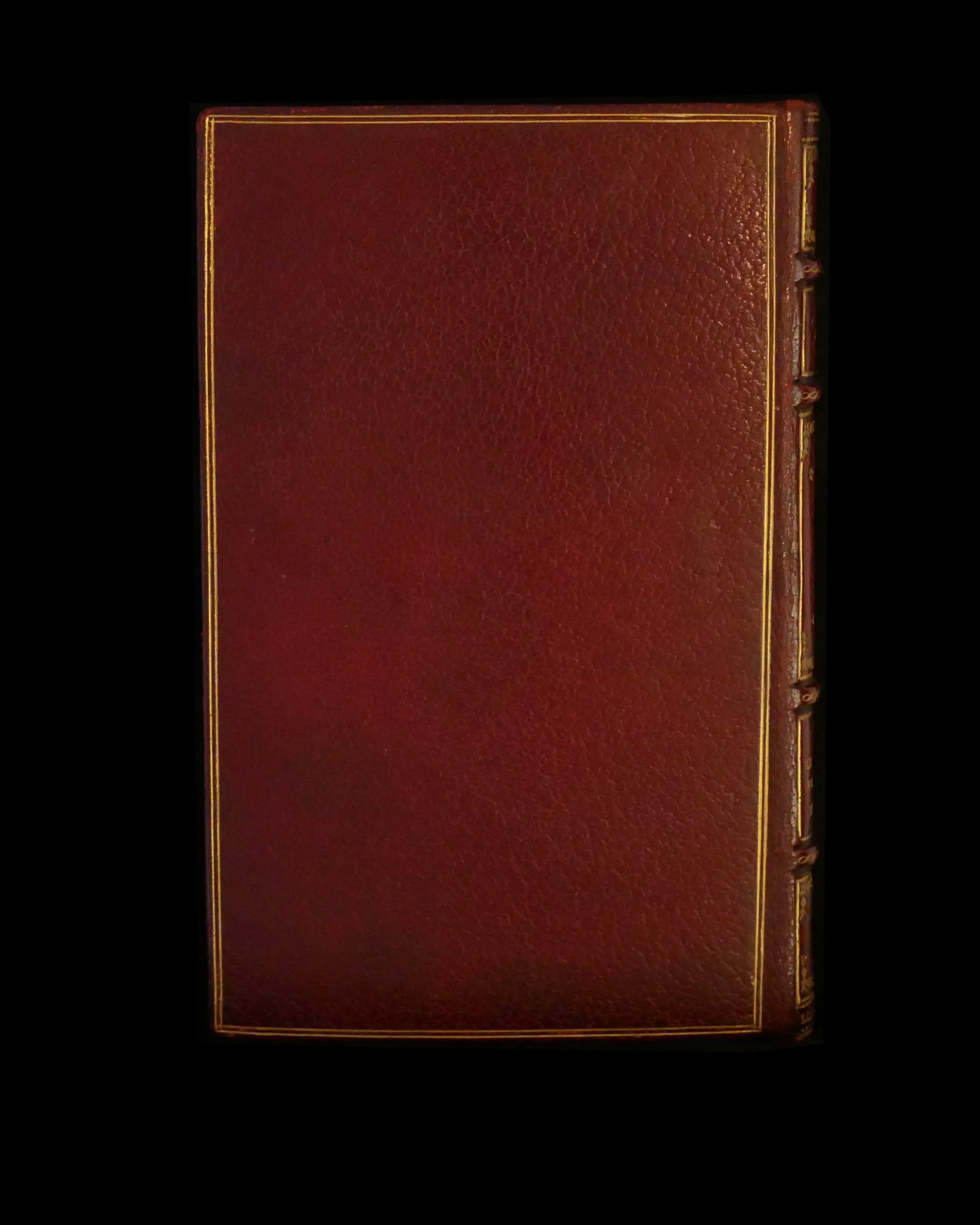 Image 5 of 6
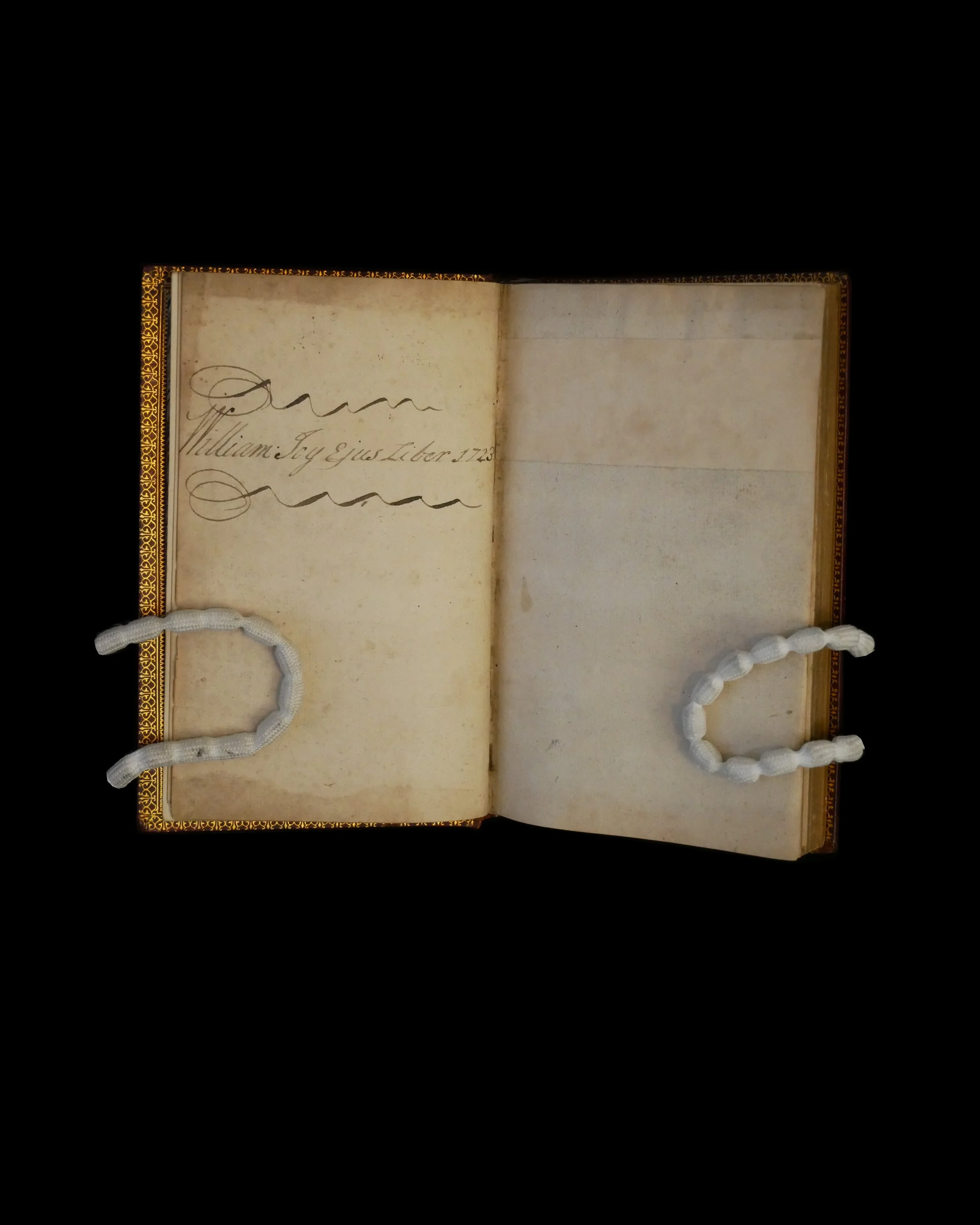 Image 6 of 6