
 Image 1 of 4
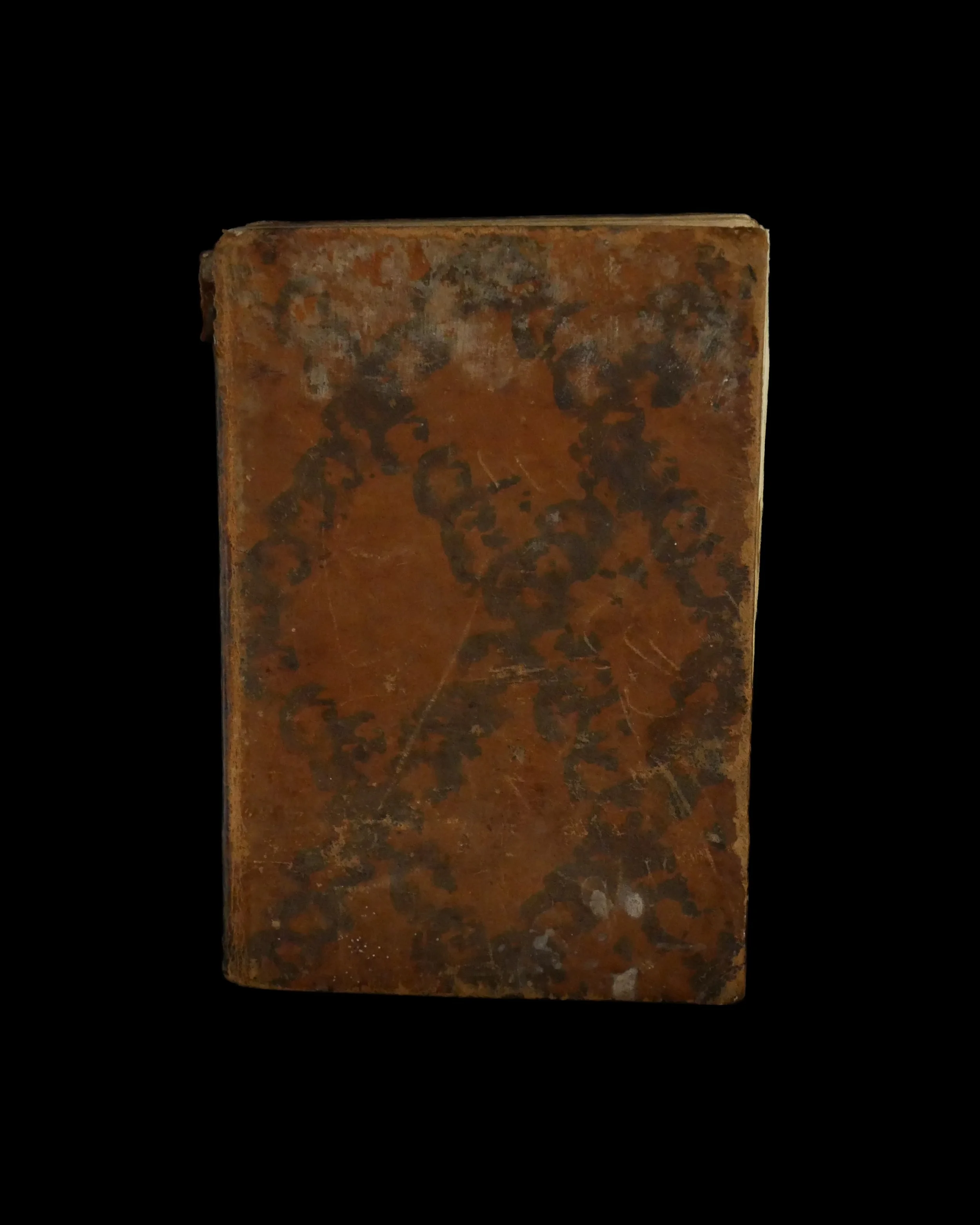 Image 2 of 4
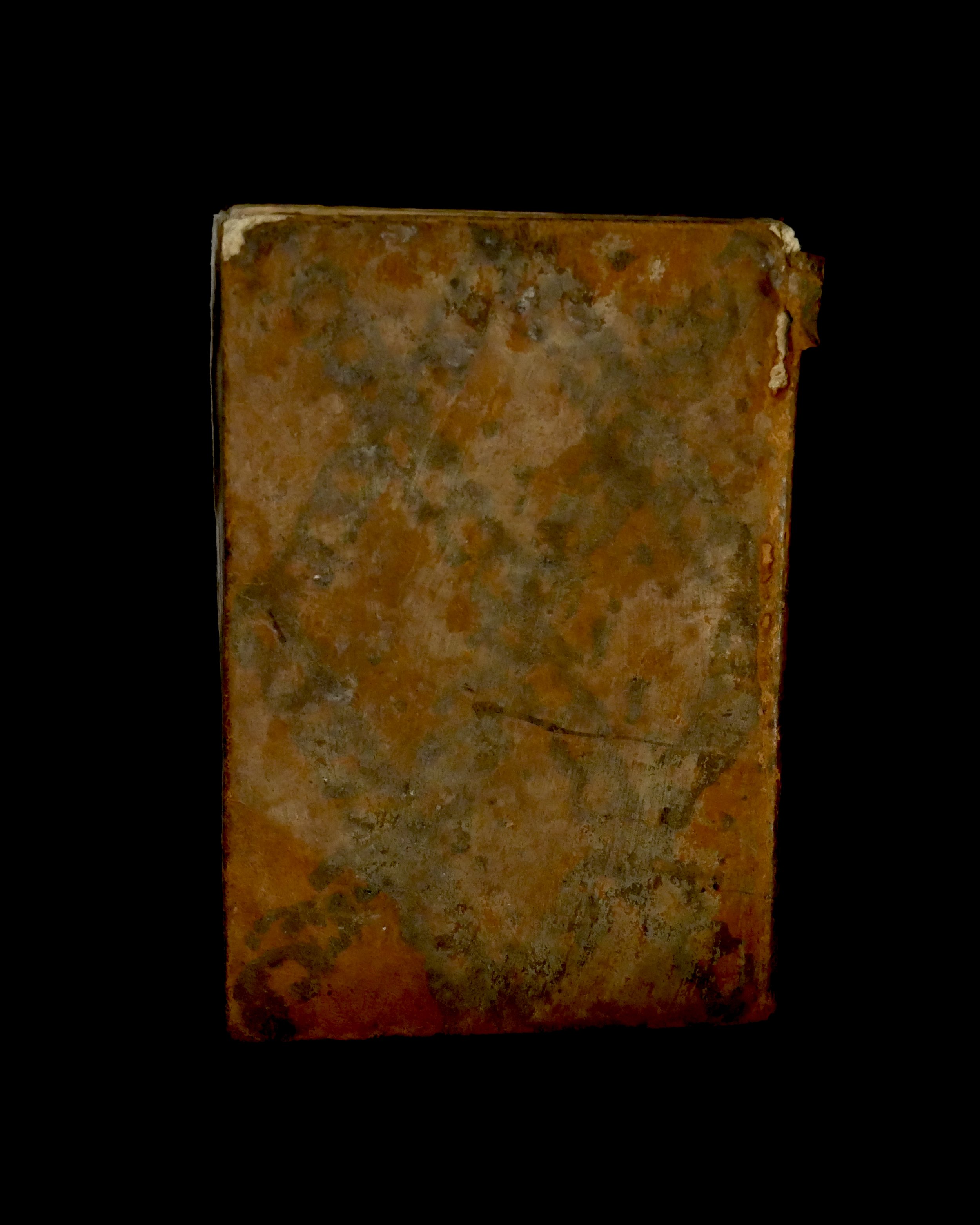 Image 3 of 4
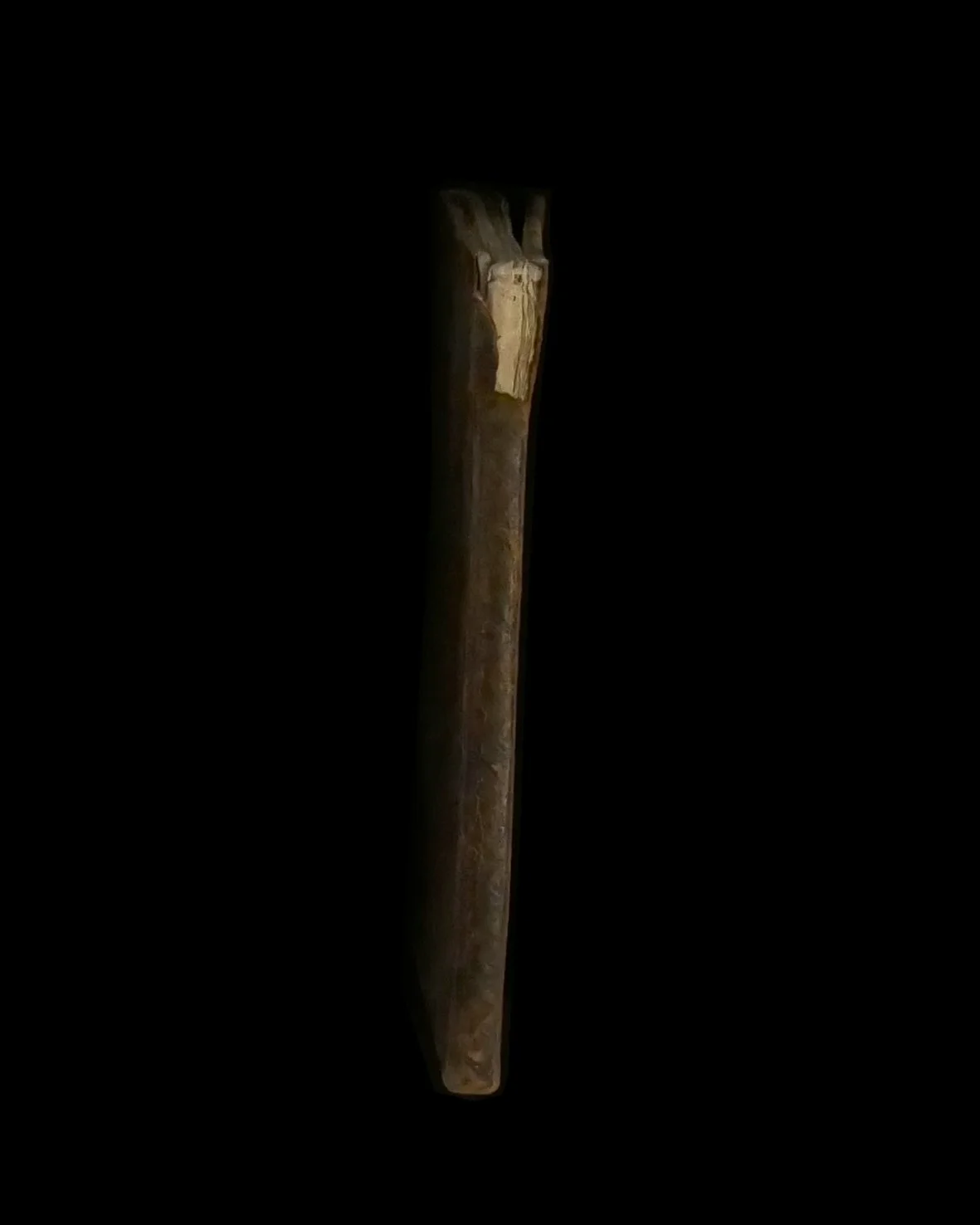 Image 4 of 4
Alexandre Picard Bremond served as a fencing master for the troops of Charles de Rohan-Soubise, Prince of Soubise (1715-1787) Marshal of France and Minister of State. He notably participated in the Seven Years' War. Later Brémond served in the premiere Compagnie of the Musketeers of the military household of the King of France (Musketeers of the Guard) until they were disbanded in 1775.
Brémond seems to have traveled extensively within a European. He writes in Naples and publishes in Turin, mentions an assault he led at Spa, and then cites the best European marksmen and fencing masters. The most famous is undoubtedly the Chevalier de Saint-Georges, considered to be the greatest marksman of his time.
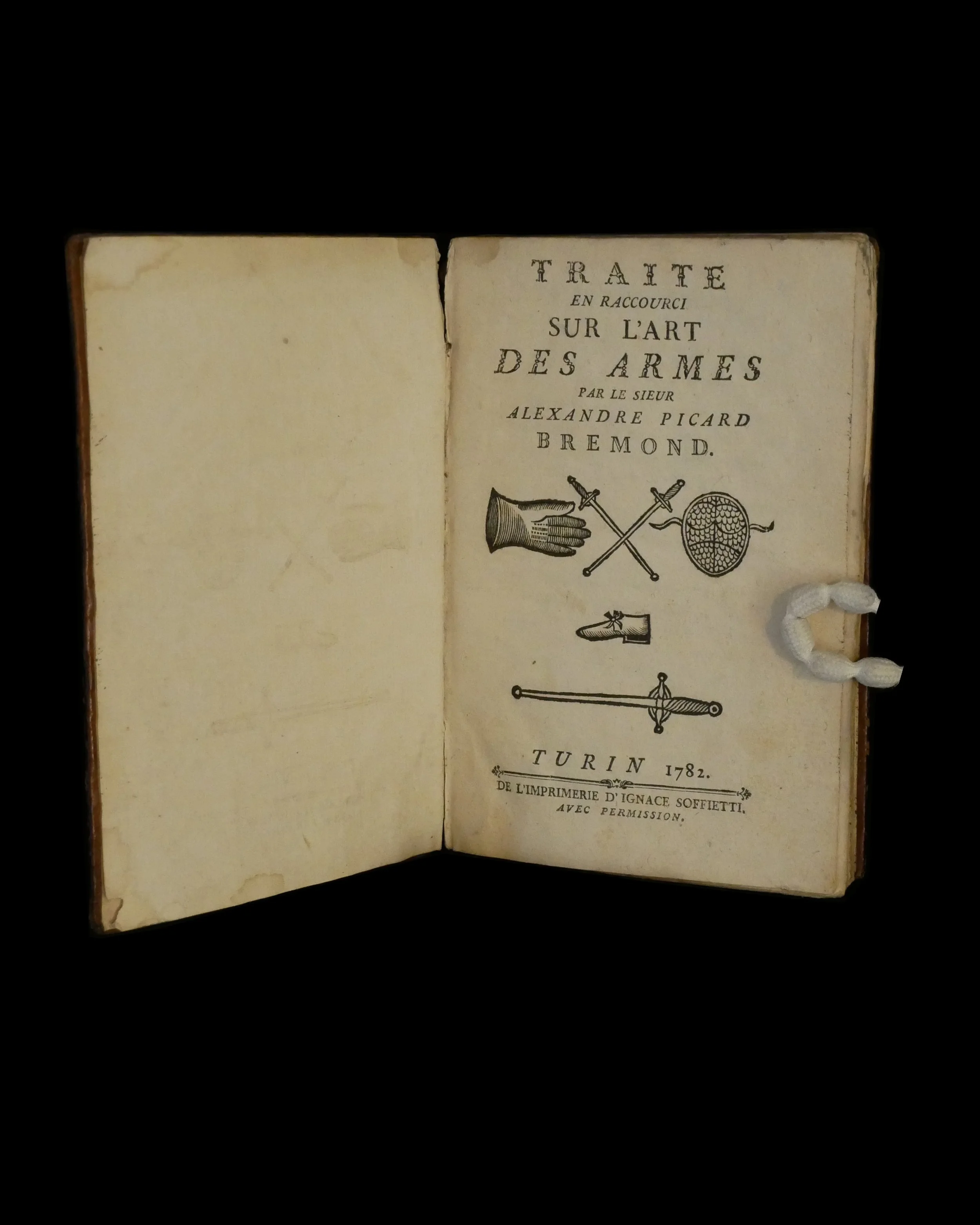
The manual come across as remarkably modern; it is the first treatise to mention and recommend the use of a fencing mask. In terms of terminology, it may also be among the first to discuss one-two and one-two-three, still used in modern Olympic fencing.
8vo (140x100 mm); contemporary calf; pp. 56; binding with some defects, inside very small and light stains, else a genuine copy. The title-page is illustrated by five woodcuts depicting a sword, a lovely fencing shoe, a glove, two crossed swords and finally one of the first know depiction of a wire fencing mask with ties
Alexandre Picard Bremond served as a fencing master for the troops of Charles de Rohan-Soubise, Prince of Soubise (1715-1787) Marshal of France and Minister of State. He notably participated in the Seven Years' War. Later Brémond served in the premiere Compagnie of the Musketeers of the military household of the King of France (Musketeers of the Guard) until they were disbanded in 1775.
Brémond seems to have traveled extensively within a European. He writes in Naples and publishes in Turin, mentions an assault he led at Spa, and then cites the best European marksmen and fencing masters. The most famous is undoubtedly the Chevalier de Saint-Georges, considered to be the greatest marksman of his time.
The manual come across as remarkably modern; it is the first treatise to mention and recommend the use of a fencing mask. In terms of terminology, it may also be among the first to discuss one-two and one-two-three, still used in modern Olympic fencing.
8vo (140x100 mm); contemporary calf; pp. 56; binding with some defects, inside very small and light stains, else a genuine copy. The title-page is illustrated by five woodcuts depicting a sword, a lovely fencing shoe, a glove, two crossed swords and finally one of the first know depiction of a wire fencing mask with ties