"The Fencing of Francesco Fer.o Alfieri Master of Arms of the Illustrious Academy Delia in Padua. Where with nine reasons and with figures the perfection of this Art is shown, and in what way according to the arms and the site the Knight can remain superior to his enemy”, published in Padua by Sebastiano Sardi, 1640.
Half leather binding with titles and rich gold decorations on the spine, but tired and with defects. In 4° oblong format, two parts in a single volume. With 35 full-page copperplate illustrations nt whose numbering within the work is incorrect according to all the copies consulted, in fact the numbering of the pages is correct while that of the plates goes from no. 19 to no. 21 and from no. 31 to no. 33. Plate no. 2 in period colouring. Last white sheet detached. Very rare work from the golden age of fencing.
Francesco Fernando Alfieri was a 17th century Italian fencing master. He was Master of Arms of the Accademia Delia in his native Padua, most likely from 1632 until some point in the mid 1650s. It is recorded as the first state academy, appointing Masters in fencing, equitation, and mathematics
"The Fencing of Francesco Fer.o Alfieri Master of Arms of the Illustrious Academy Delia in Padua. Where with nine reasons and with figures the perfection of this Art is shown, and in what way according to the arms and the site the Knight can remain superior to his enemy”, published in Padua by Sebastiano Sardi, 1640.
Half leather binding with titles and rich gold decorations on the spine, but tired and with defects. In 4° oblong format, two parts in a single volume. With 35 full-page copperplate illustrations nt whose numbering within the work is incorrect according to all the copies consulted, in fact the numbering of the pages is correct while that of the plates goes from no. 19 to no. 21 and from no. 31 to no. 33. Plate no. 2 in period colouring. Last white sheet detached. Very rare work from the golden age of fencing.
Francesco Fernando Alfieri was a 17th century Italian fencing master. He was Master of Arms of the Accademia Delia in his native Padua, most likely from 1632 until some point in the mid 1650s. It is recorded as the first state academy, appointing Masters in fencing, equitation, and mathematics

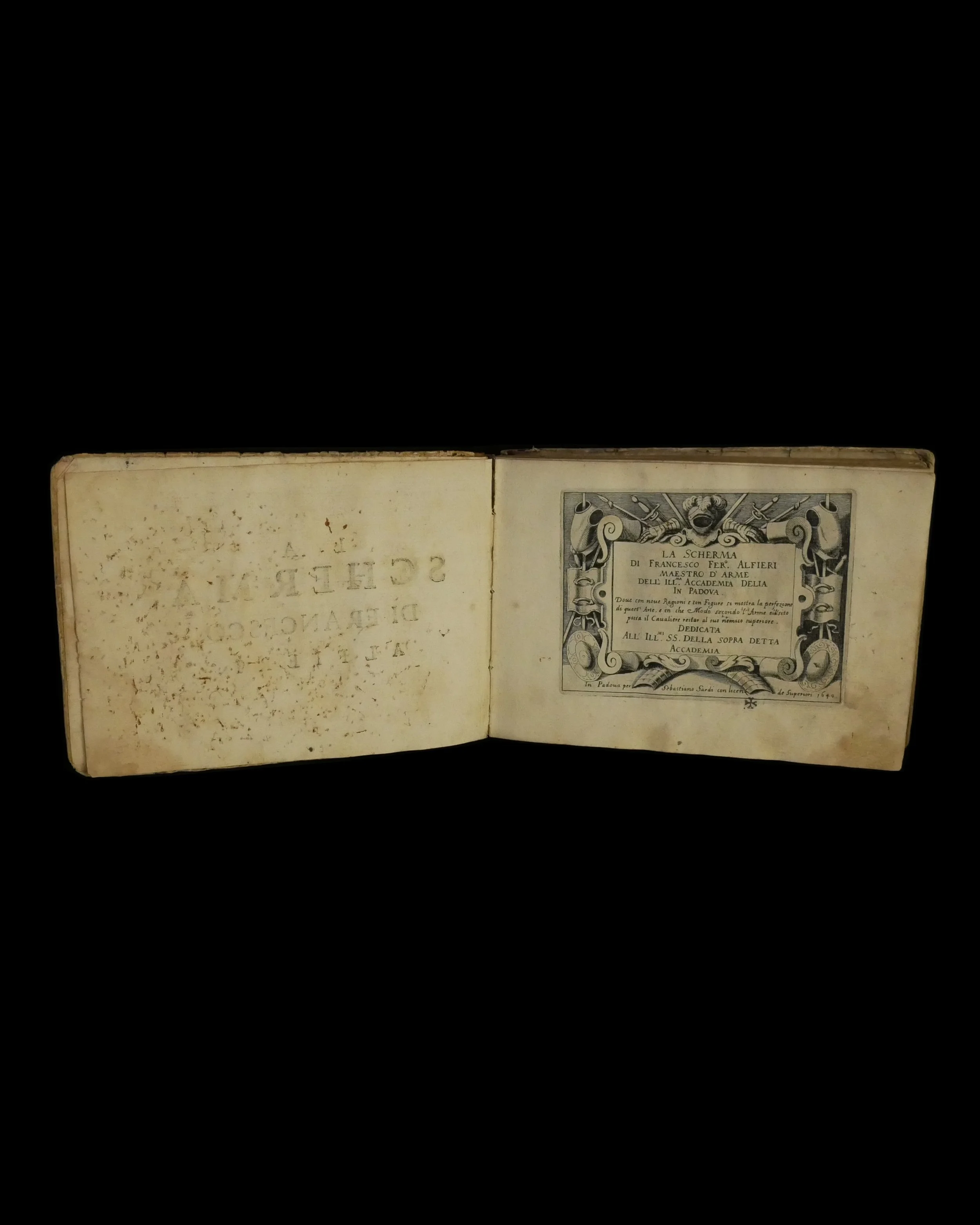 Image 1 of 13
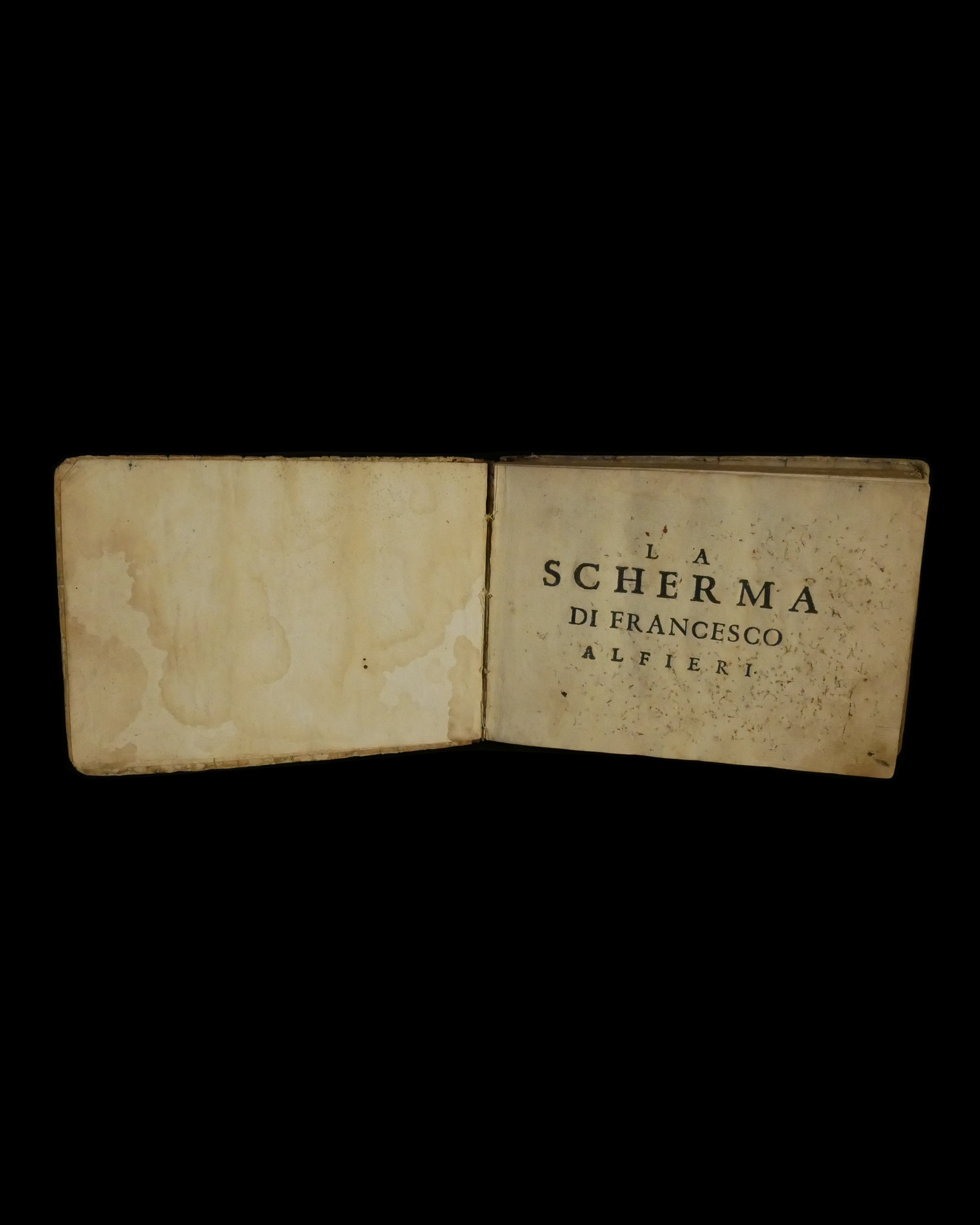 Image 2 of 13
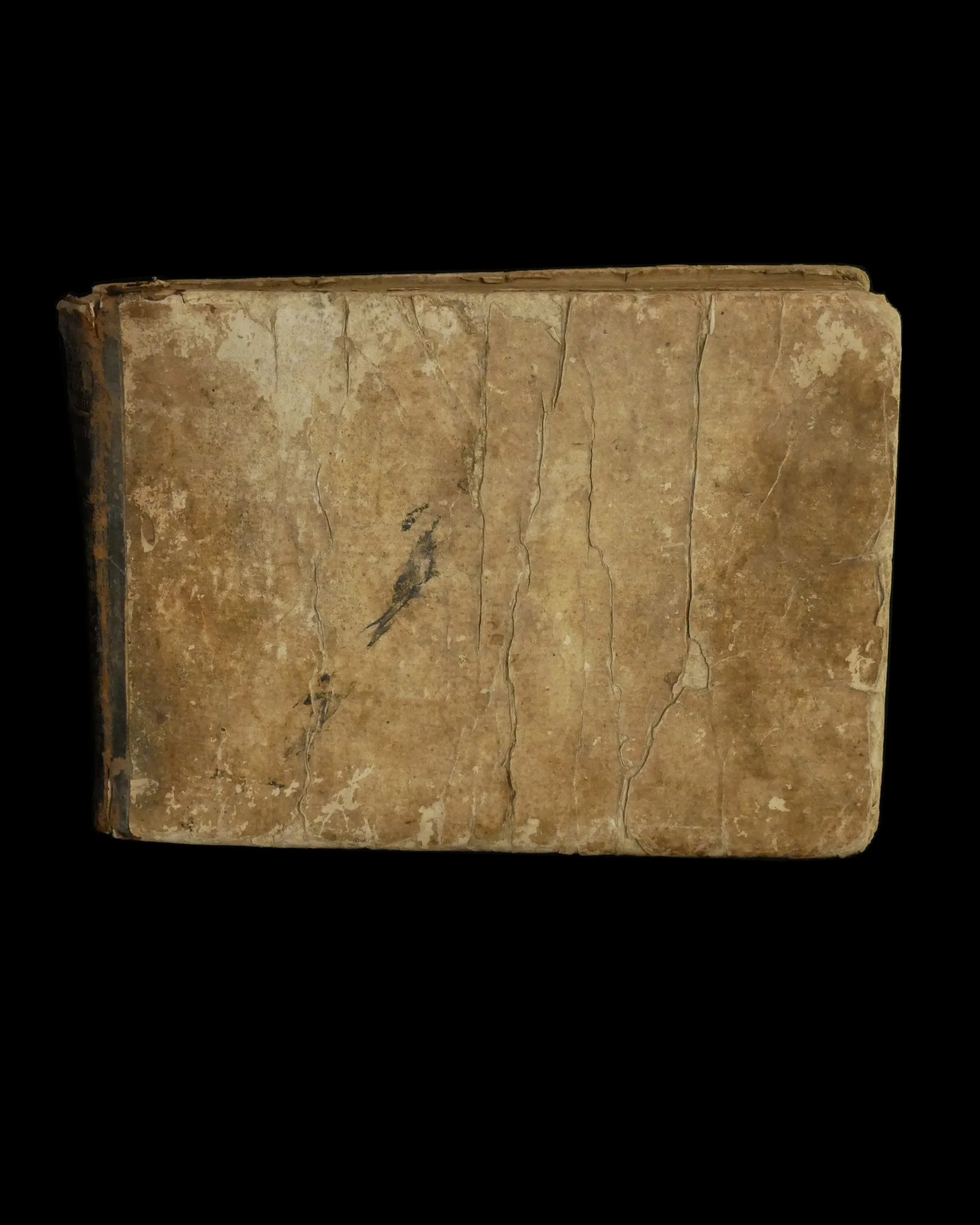 Image 3 of 13
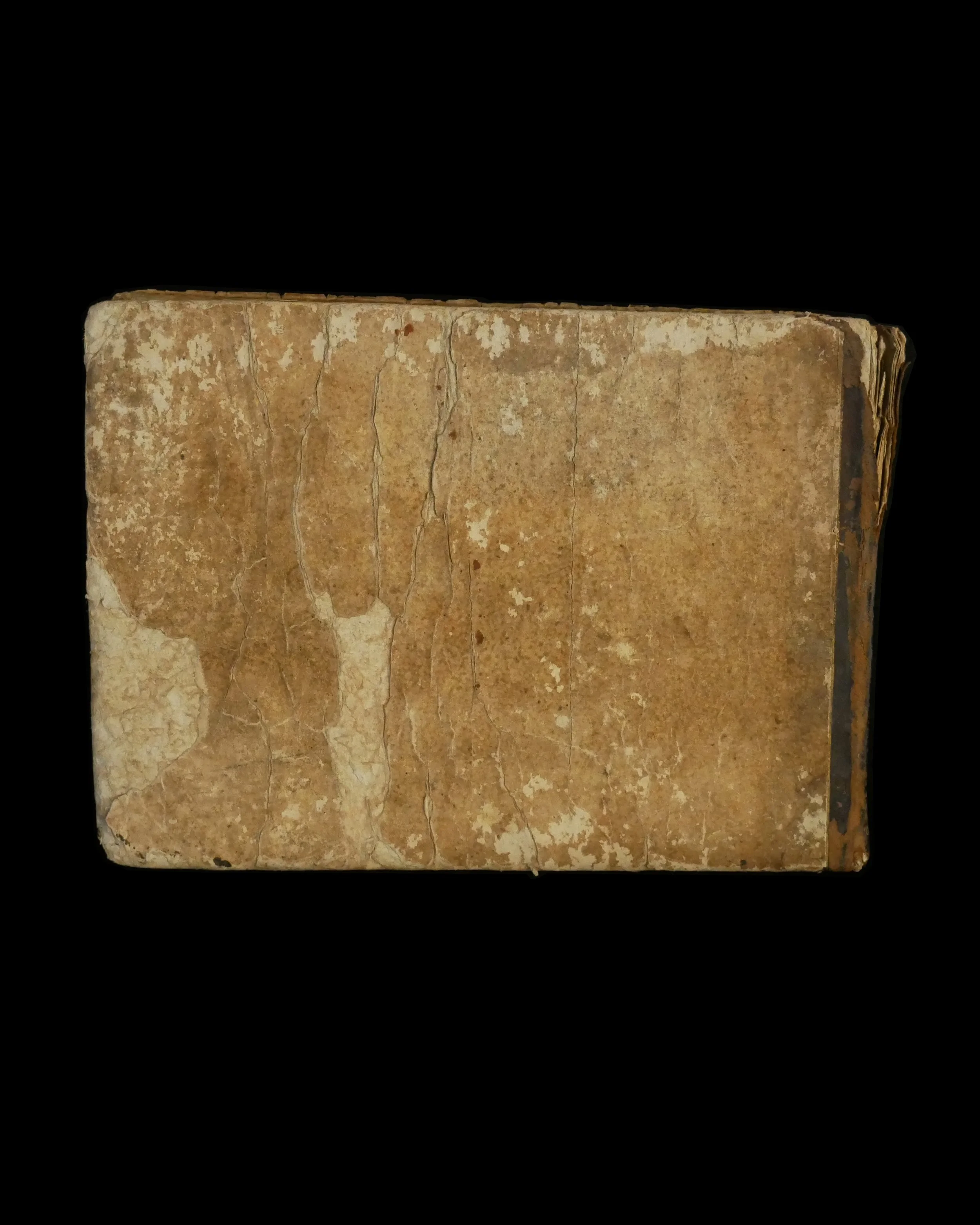 Image 4 of 13
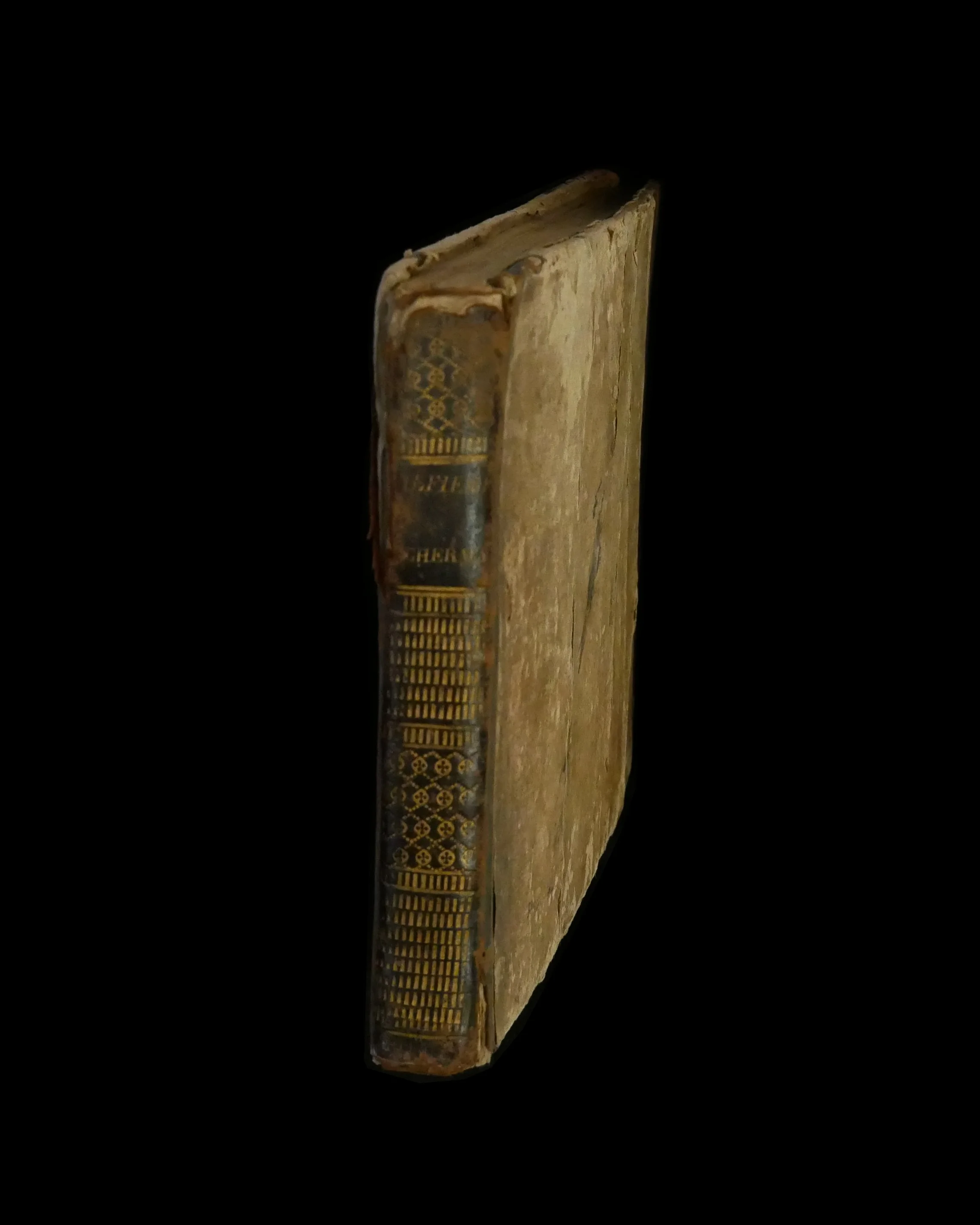 Image 5 of 13
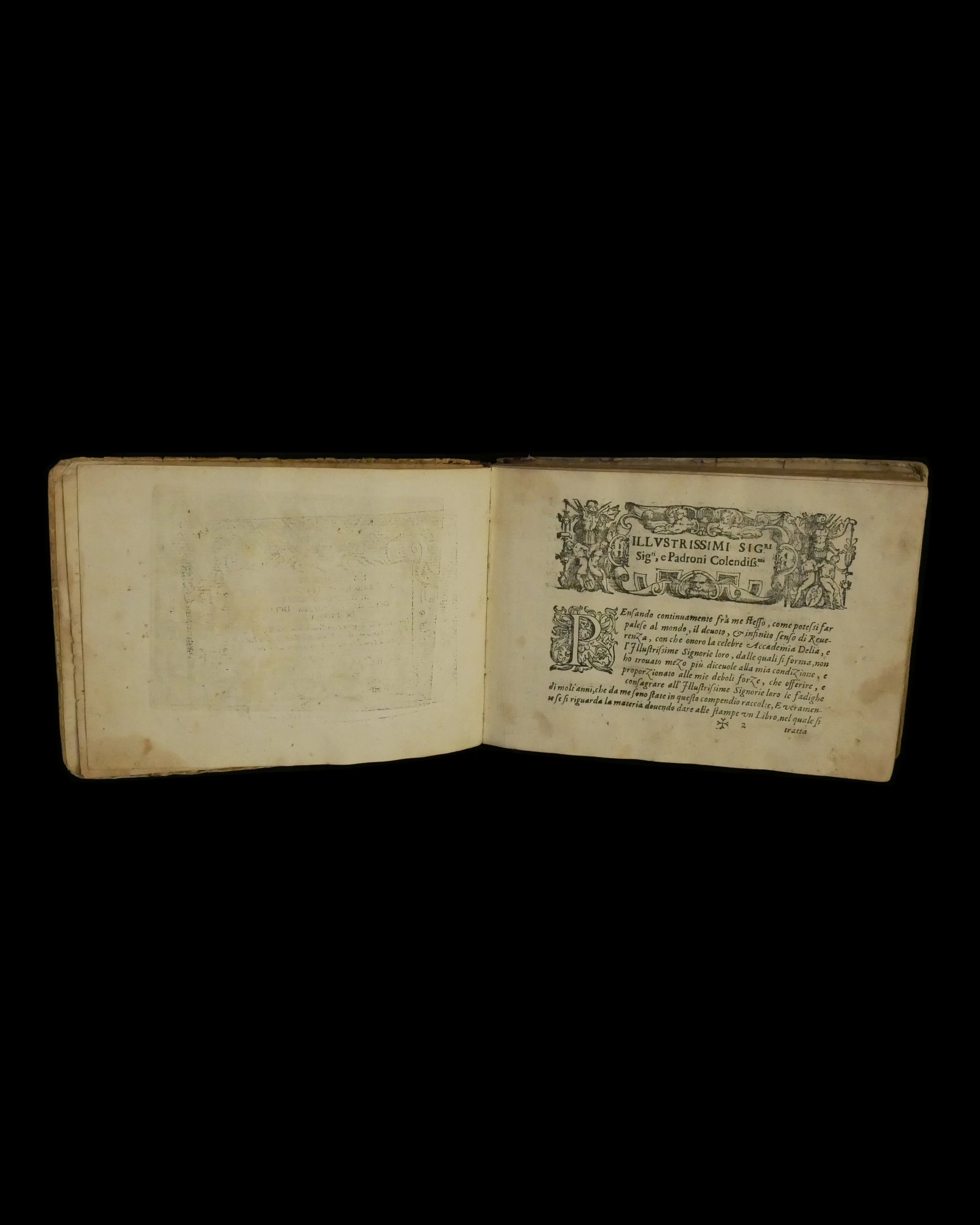 Image 6 of 13
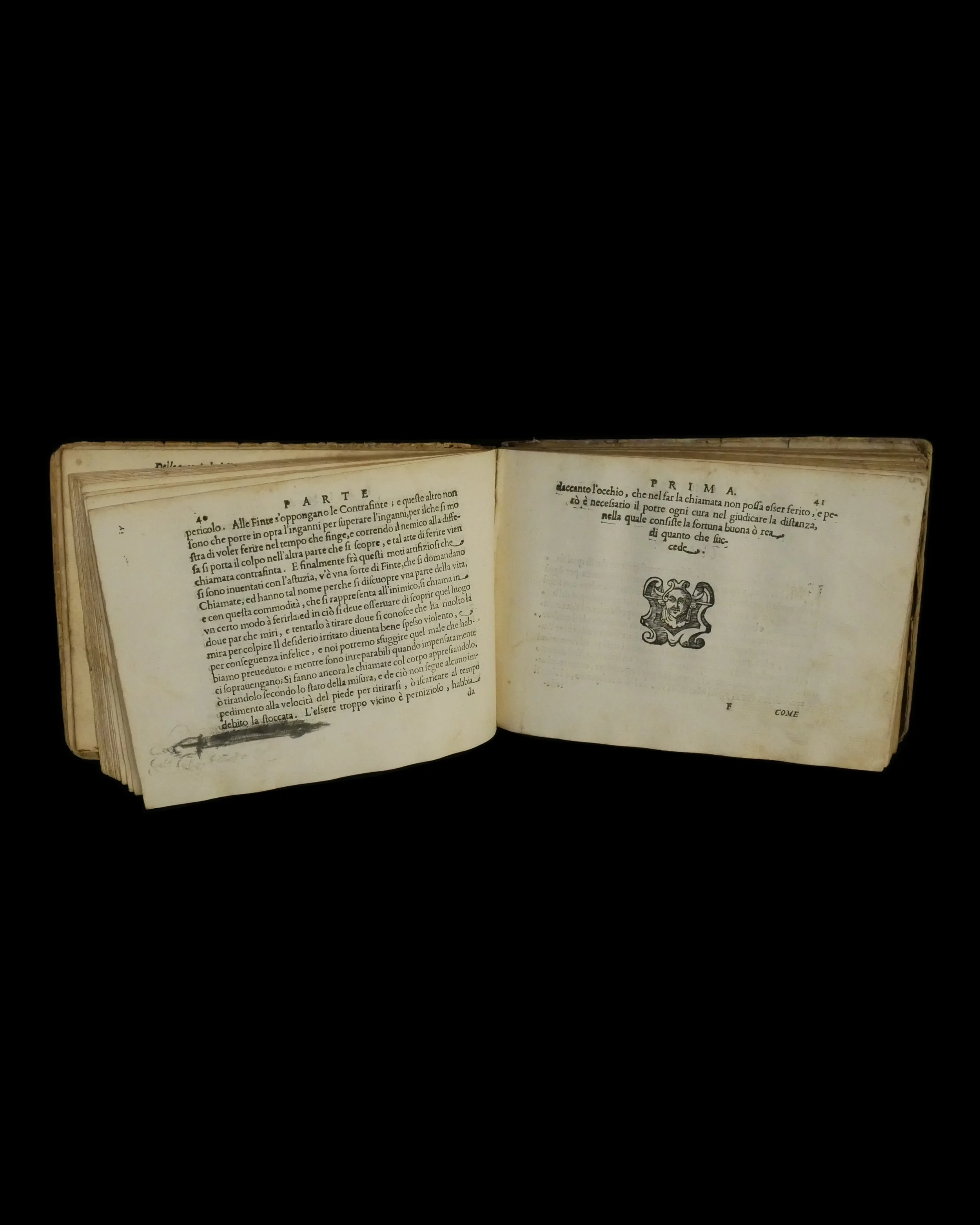 Image 7 of 13
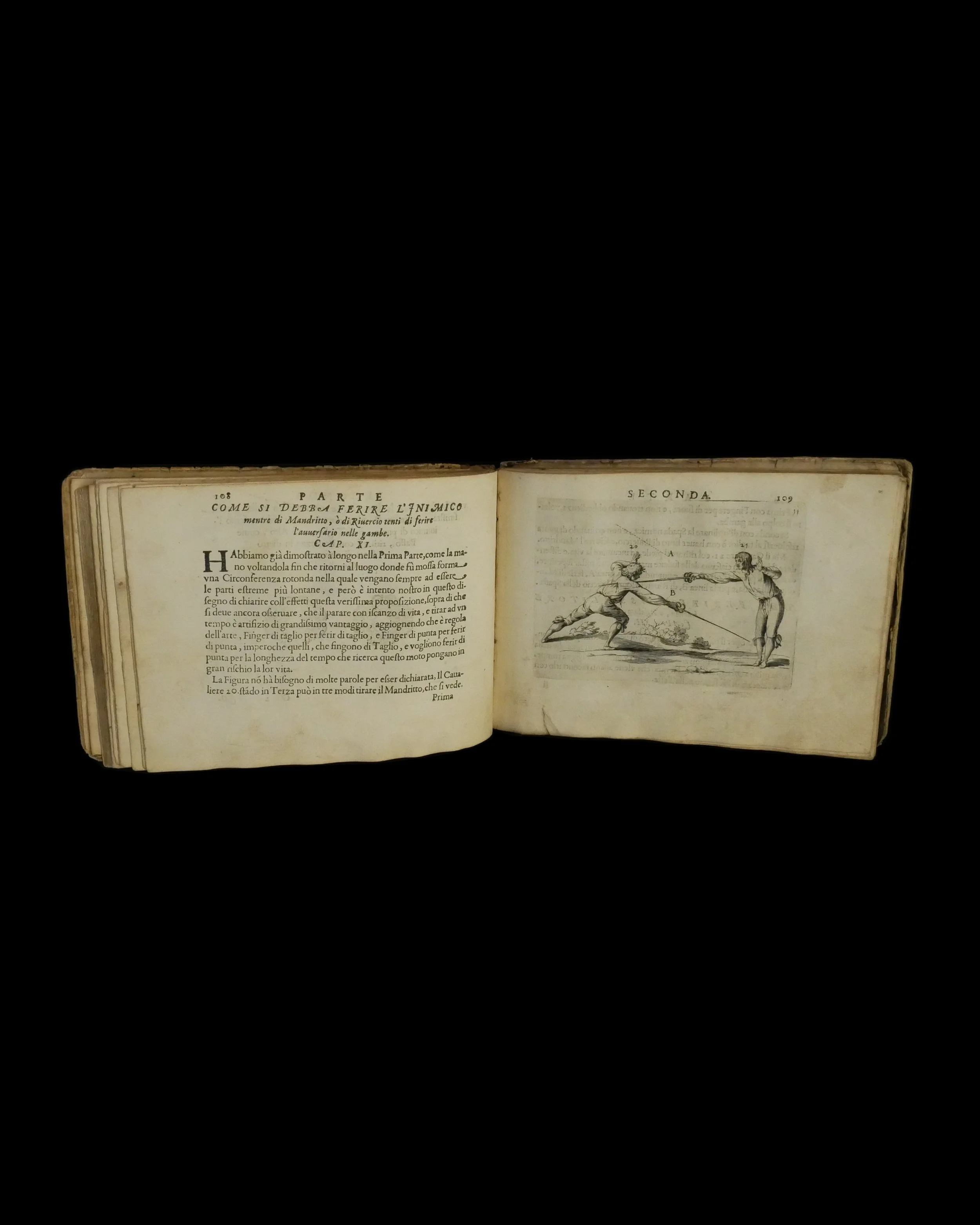 Image 8 of 13
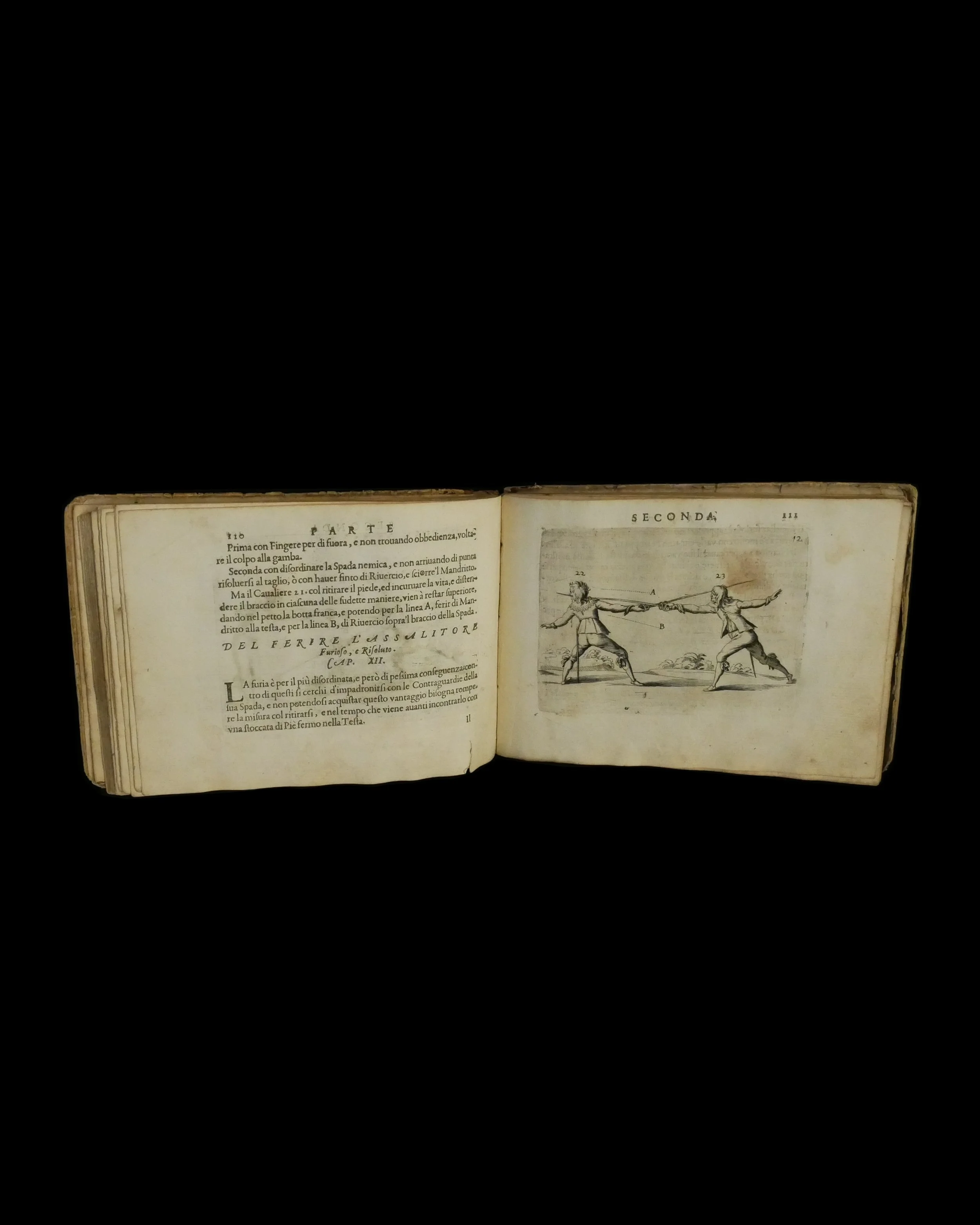 Image 9 of 13
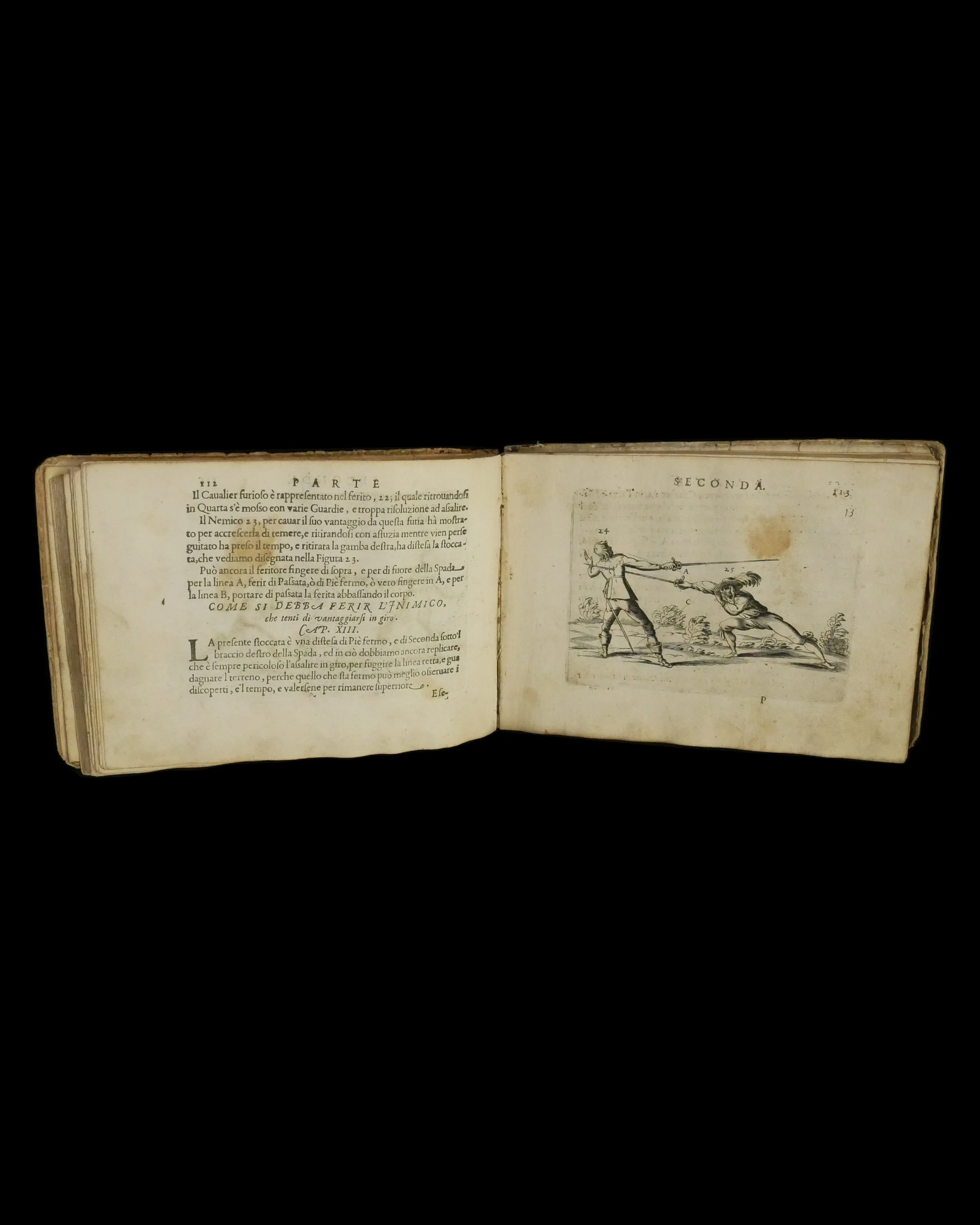 Image 10 of 13
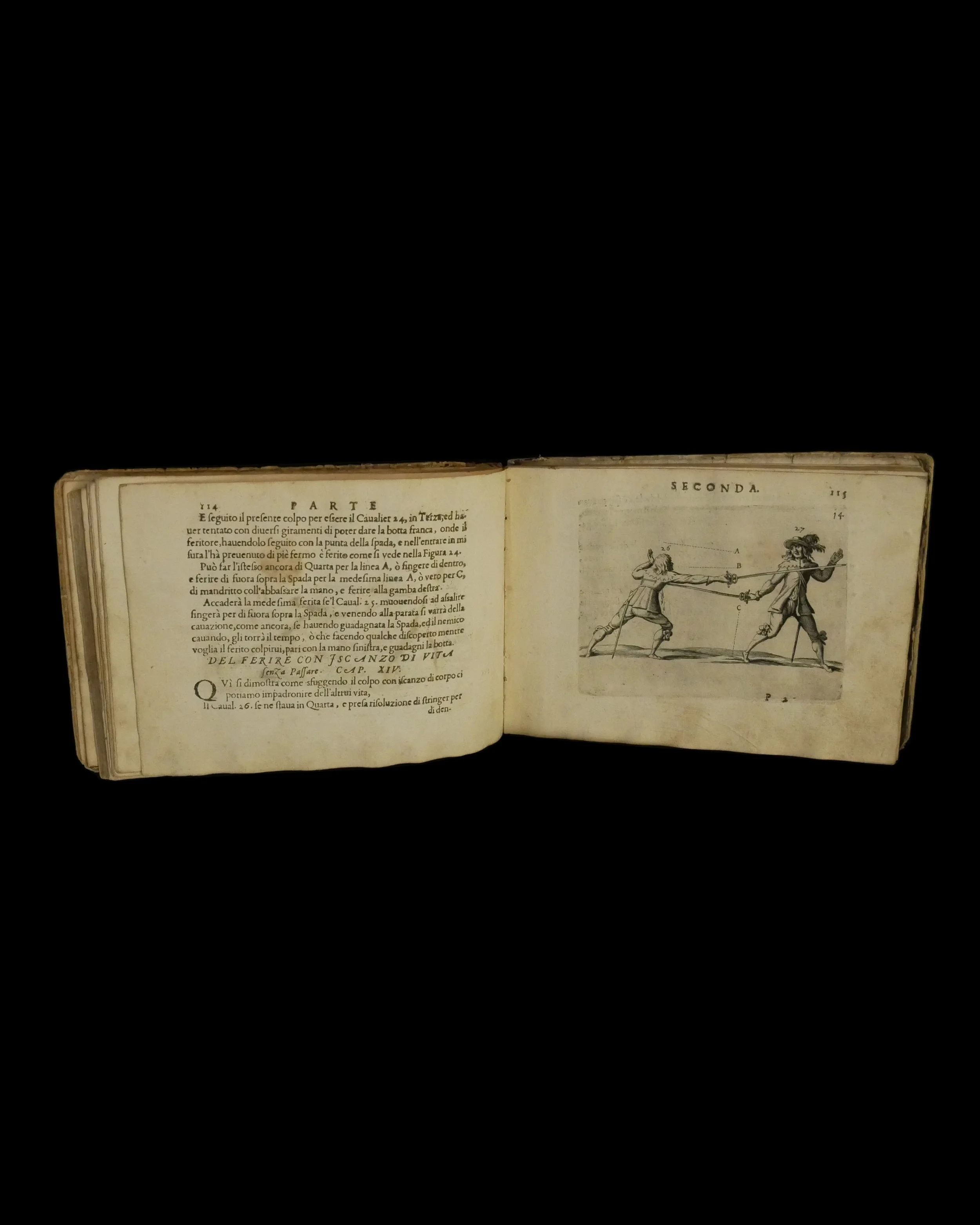 Image 11 of 13
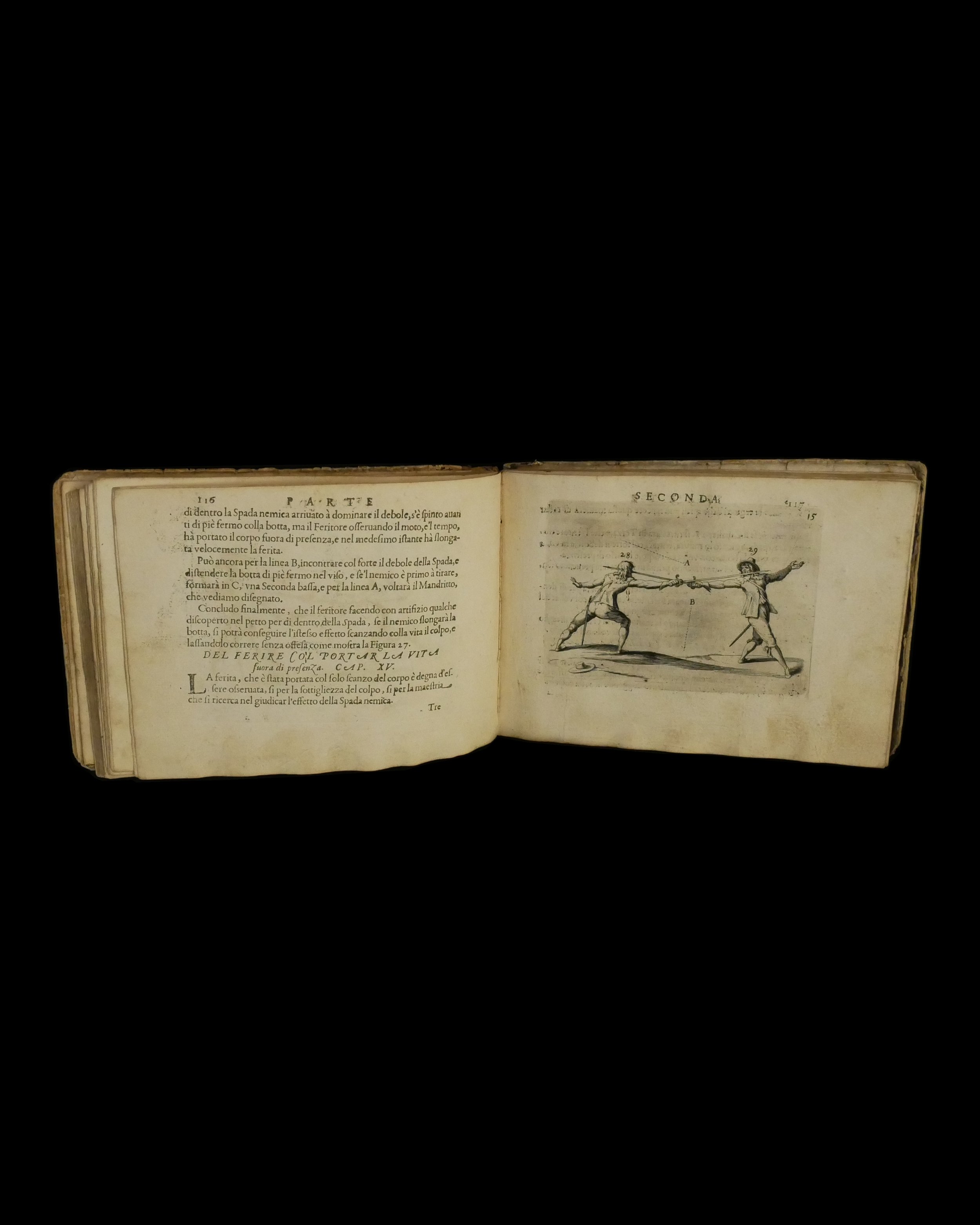 Image 12 of 13
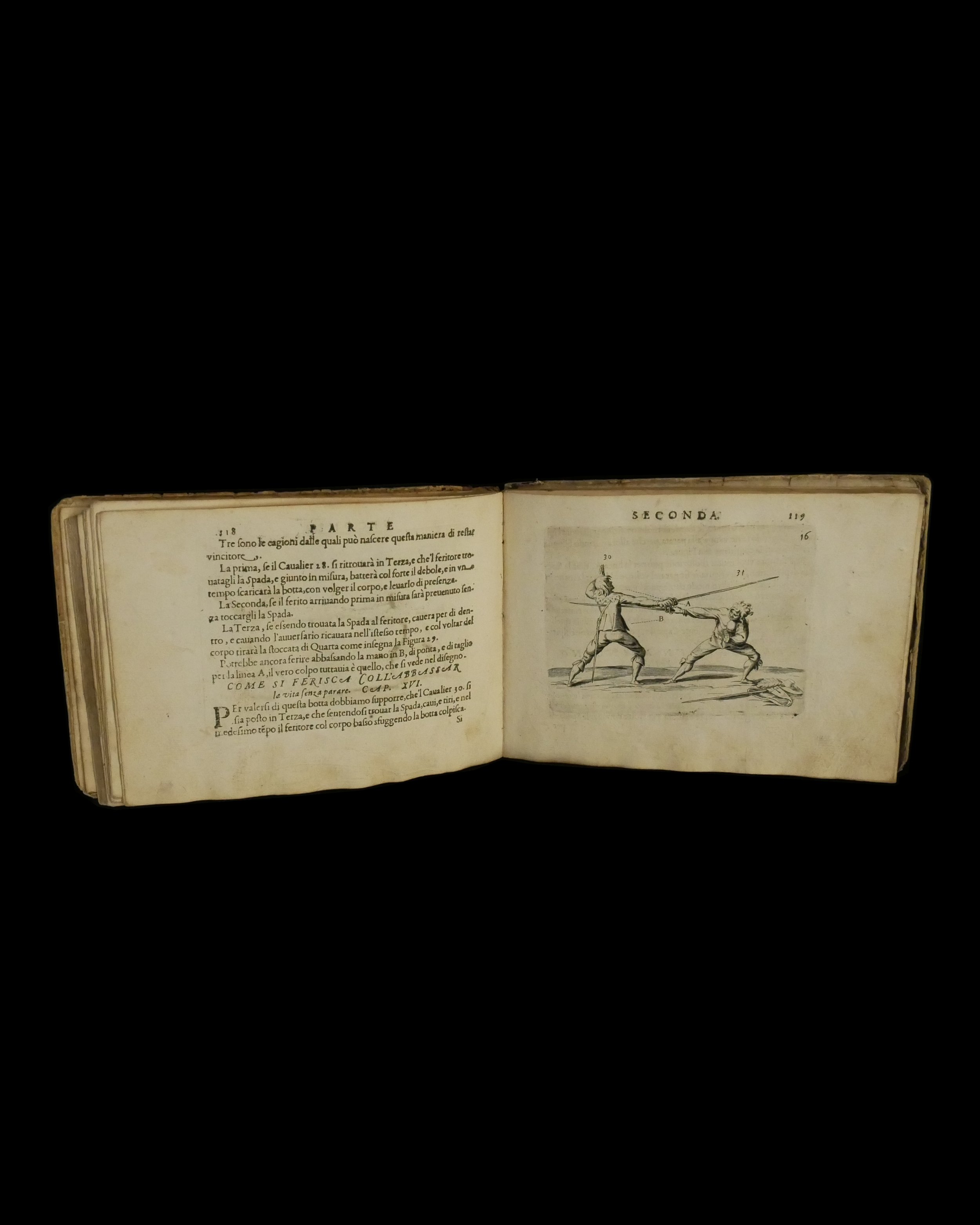 Image 13 of 13